Interactive tool · Older homes
What is behind your walls?
Pick the decade your house was built. You will see what houses of that era in the Seattle area usually have behind the plaster and under the floors, and what each one means when a remodel opens them up.
- WA contractor license
- GIANTBS782RZ
- UBI
- 604991679
- Permits
- Prepared and filed by us
- Workmanship warranty
- 5 years
- Estimate
- Free, in your home, in writing
Step 1 · Pick an era
When was your house built?
The county assessor's record for your parcel shows the year built. Houses are often older or newer in parts: an addition or an earlier remodel may have replaced some of what is listed here.
Built before 1920: what to expect
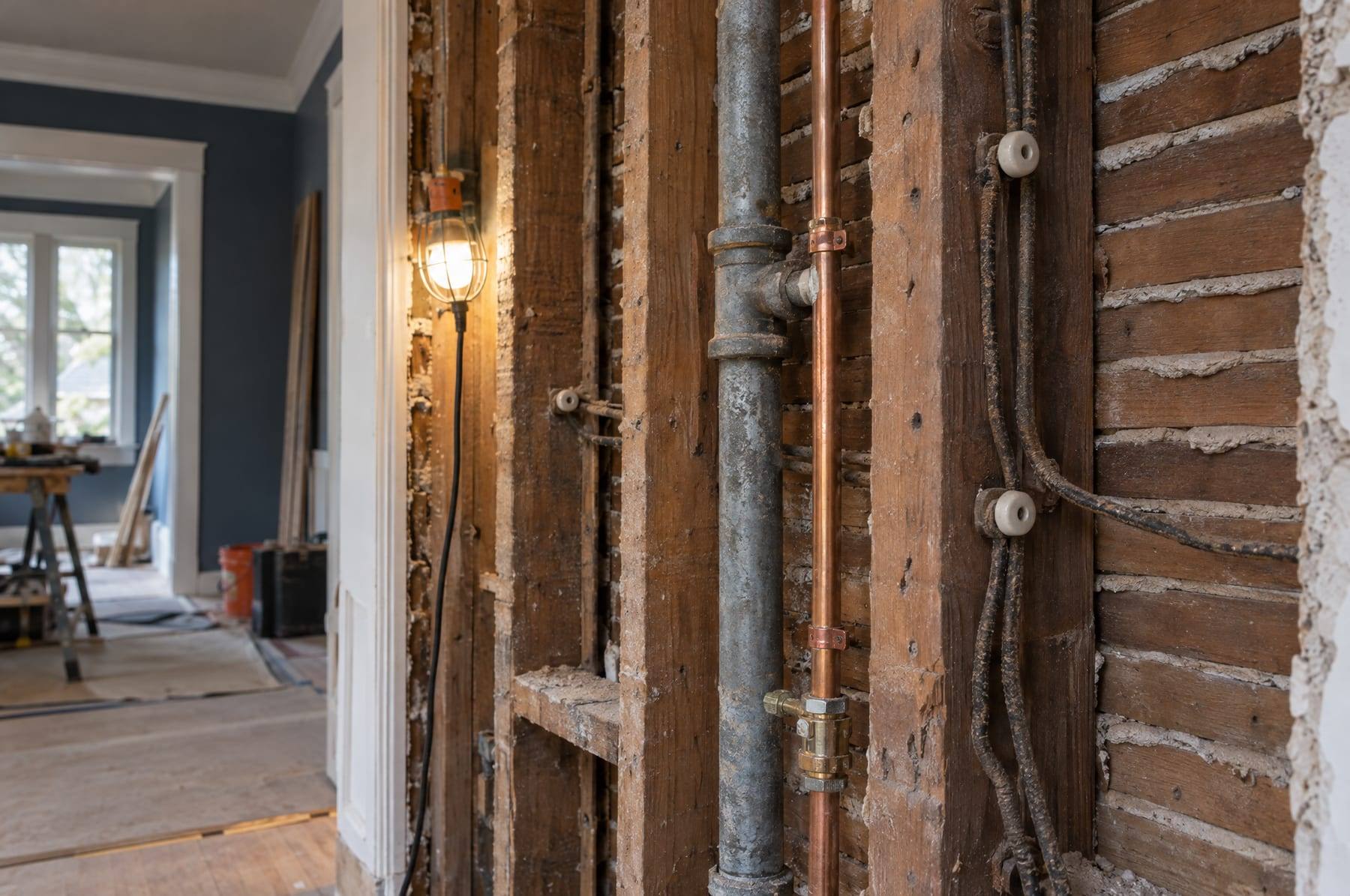
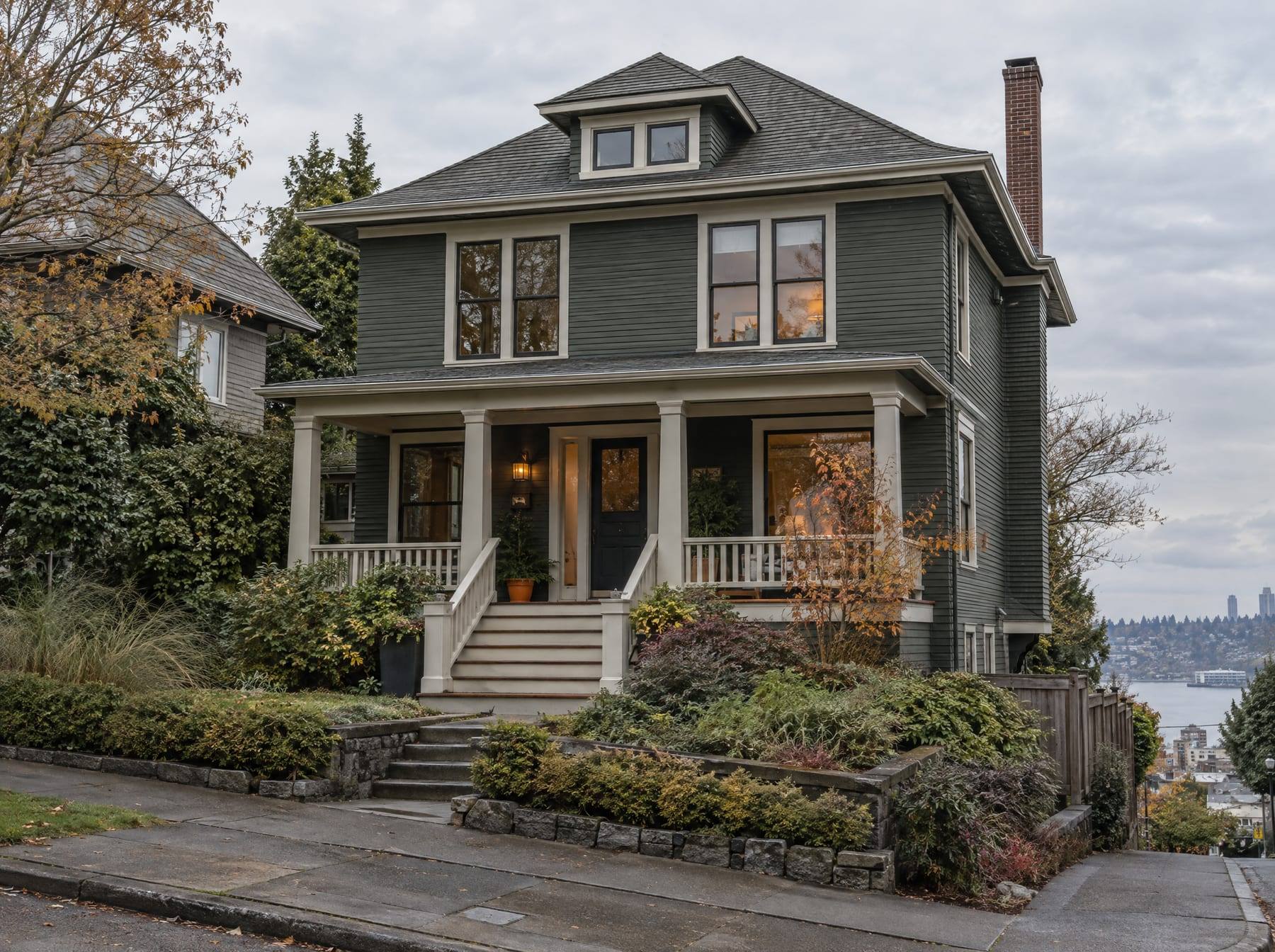
Queen Anne houses (about 1880 to 1910), American Foursquares, which Seattle calls the Classic Box (about 1890 to 1920), and the first Craftsman houses, from about 1900. A Seattle historic resources survey found that most houses it studied from these years were built from standard plan books.
- 01
Knob-and-tube wiring
Single wires on porcelain knobs and tubes through joists and walls. HUD's rehabilitation inspection guide says it is still found fairly often in houses built before 1930.
For a remodel: Its insulation turns brittle with age. Seattle lets lawful wiring stay in use, but insulating over it needs a licensed electrical contractor's written survey, and foam insulation is never allowed.
Knob-and-tube wiring and your remodel - 02
Galvanized steel water pipe
Steel pipe coated in zinc, used in homes from the 1880s to the 1960s (Saint Paul Regional Water Services). HUD puts its service life at 20 to 50 years.
For a remodel: Rust narrows it from the inside, which shows up as low pressure and rust-colored water. It is cheapest to replace while walls and floors are open.
Galvanized pipes and when to repipe - 03
Lead paint
EPA says 87% of homes built before 1940 have some lead-based paint.
For a remodel: Paid work that disturbs paint in a house built before 1978 must be done by a certified firm using lead-safe work practices; in Washington the Department of Commerce runs the certification.
Lead-safe renovation in homes built before 1978 - 04
Asbestos in old materials
May be in pipe and boiler insulation, old furnaces, flooring and its adhesive, textured wall and ceiling coatings, and roofing or siding, the common places on EPA's list.
For a remodel: The Puget Sound Clean Air Agency requires an asbestos survey before any renovation, before those materials are disturbed.
Asbestos surveys before a Puget Sound remodel - 05
A frame not bolted to the foundation
The Washington Department of Natural Resources says many older houses are not bolted to their foundations, and that unbraced cripple walls, the short walls under the first floor, can buckle in an earthquake.
For a remodel: SDCI says most earthquake damage to houses comes from a house sliding off its foundation or a weak cripple wall collapsing. Seattle's Earthquake Home Retrofit permit, with pre-drawn plans, addresses both.
Bolting and bracing an older house during a remodel - 06
Unreinforced brick chimney
SDCI calls unreinforced masonry chimneys extremely vulnerable to earthquake damage.
For a remodel: Altering one, or a substantial alteration of a house that has one, brings SDCI Director's Rule 7-2025, in effect since January 8, 2026: bracing, reinforced rebuilding, a metal chimney or removal.
Remodeling a Seattle Craftsman - 07
A buried heating oil tank
A 2020 City of Seattle study found more than 90% of the city's oil-heated homes were built before 1960, many with their original tanks. The Fire Department has no record of where tanks were installed.
For a remodel: A tank out of service for a year or more must be decommissioned, removed or filled in place, under a Seattle Fire Department permit ($184 per tank).
Remodeling a Seattle Craftsman
Built 1920 to 1939: what to expect
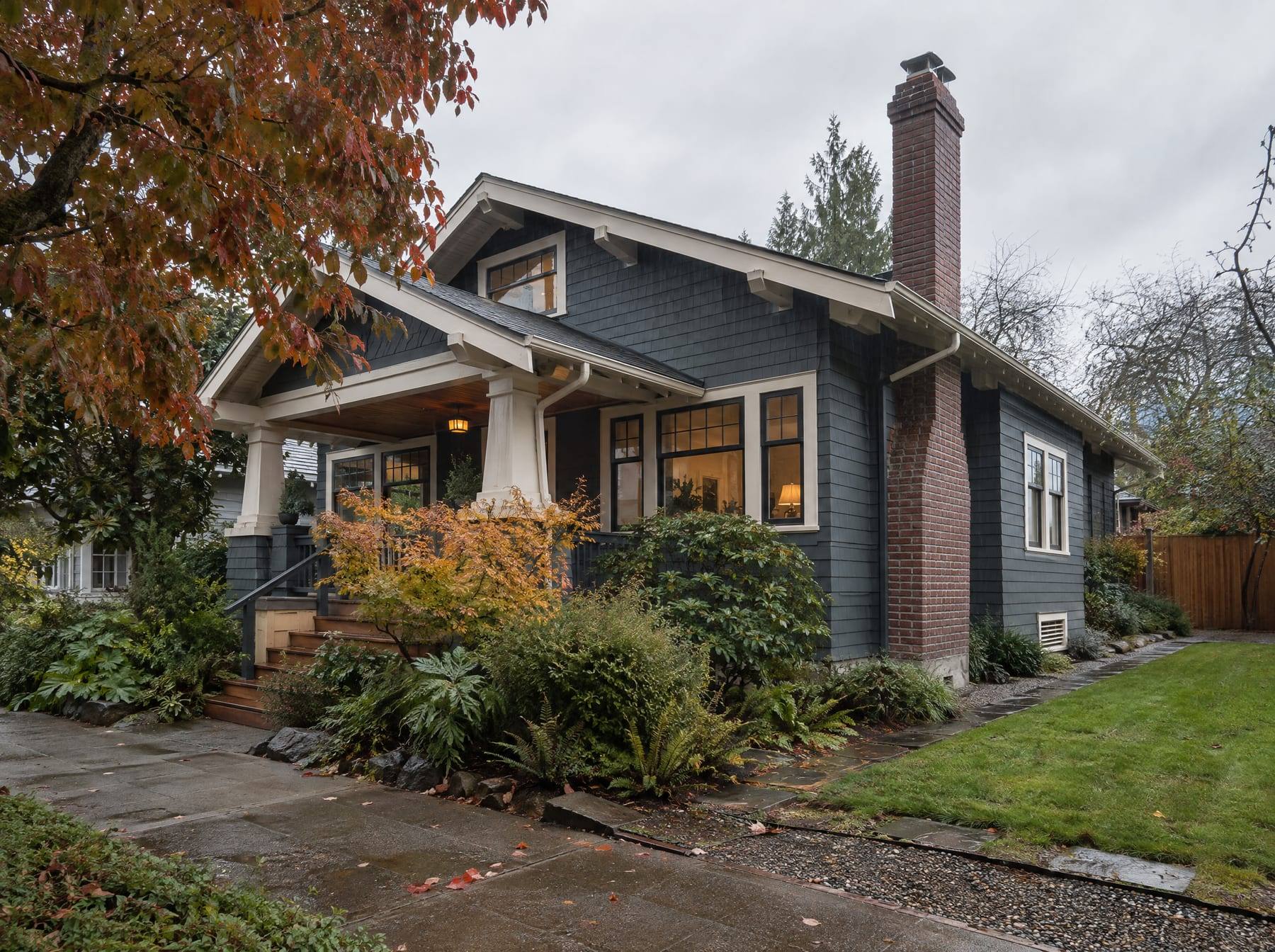
Craftsman bungalows (about 1905 to 1930), Colonial Revival houses and Tudor Revival cottages, including the modest builder Tudors of about 1925 to 1940, according to a Seattle historic resources survey. Seattle's first house described as a ranch house is believed to be one built in 1938 and 1939.
- 01
Knob-and-tube, or early cable with no ground
HUD says knob-and-tube is still found fairly often in houses built before 1930, and that grounding all circuits was not required by the National Electrical Code before 1965.
For a remodel: Two-prong outlets have no ground, and HUD warns not to assume even a three-prong outlet is grounded without testing it. Changed circuits in living areas need arc-fault protection under Seattle's code.
Knob-and-tube wiring and your remodel - 02
Galvanized pipe, with some early copper
HUD says copper pipe came into widespread use in the 1930s, while galvanized steel stayed in use until the 1960s.
For a remodel: HUD calls a mix of galvanized and copper a sign of potential trouble: the joints corrode unless a dielectric coupling separates the metals.
Galvanized pipes and when to repipe - 03
Lead paint
EPA says 87% of homes built before 1940 have some lead-based paint.
For a remodel: Plan for a lead-safe certified firm wherever the work disturbs paint, inside and out.
Lead-safe renovation in homes built before 1978 - 04
Asbestos in old materials
May be in pipe wrap, furnace insulation, older flooring layers and textured coatings, which EPA lists among the common places.
For a remodel: The Puget Sound Clean Air Agency's survey comes before demolition, done by the owner of an owner-occupied single-family house or by an AHERA-certified building inspector.
Asbestos surveys before a Puget Sound remodel - 05
No anchors or cripple-wall bracing
SDCI says a house built after the early 1980s may already have the required anchors, bracing and framing connections; houses of this age were built long before that.
For a remodel: Bolting and bracing are done from the basement or crawl space, best before a basement is finished. Seattle's prescriptive plans fit many one- and two-story wood houses on level lots.
Bolting and bracing an older house during a remodel - 06
A large brick chimney
Tudor Revival houses of the period often have a massive brick chimney on the front of the house (Seattle historic resources survey), and SDCI calls unreinforced masonry chimneys extremely vulnerable in earthquakes.
For a remodel: Changing one brings SDCI Director's Rule 7-2025. The rule warns to check that the chimney does not vent another appliance before it is capped or removed.
Remodeling a Seattle Craftsman - 07
No insulation standard
These houses were built decades before the state energy code that every Washington city had to enforce from April 1, 1986 (Laws of 1985, chapter 144).
For a remodel: Seattle needs no building permit to insulate an existing building, but insulation may not go over knob-and-tube wiring without an electrician's survey.
What Washington's energy code means for a remodel
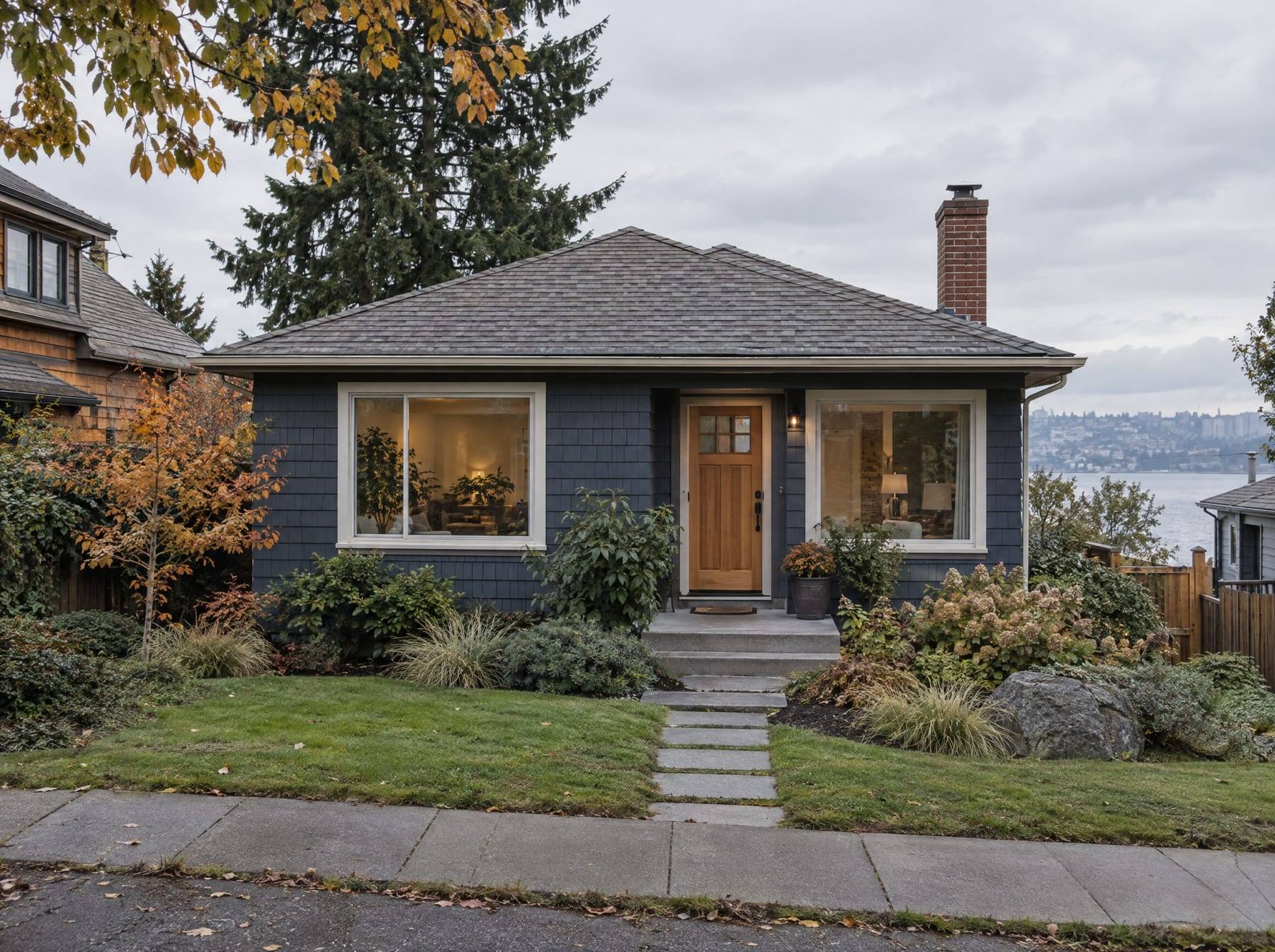
Built 1940 to 1959: what to expect
Small, plain wartime and postwar cottages (about 1935 to 1950, some under 1,000 square feet, mostly built by speculative builders, per the state historic preservation office), then Minimal Traditional, Cape Cod and early ranch houses, the one-story type a Seattle landmark report calls ubiquitous after World War II.
- 01
Ungrounded two-prong circuits
HUD says grounding every circuit was not required by the National Electrical Code before 1965.
For a remodel: Outlets may have no ground even where they look modern. An electrician tests them before new appliances or electronics are planned around them.
Remodeling a 1950s to 1970s rambler or split-level - 02
Too few circuits and a small service
HUD says houses built before 1980 may be considered to have too few circuits by current standards, and a Department of Energy fact sheet says 100-amp service is common in older homes that have not had a major renovation.
For a remodel: A kitchen or bath remodel adds circuits, and a heat pump or induction range adds load. A load calculation shows whether the service must grow.
Does your remodel need a bigger electrical panel? - 03
Galvanized steel water pipe
Still in use in homes until the 1960s (Saint Paul Regional Water Services), with copper becoming the most common choice from the 1960s on.
For a remodel: Original galvanized pipe from these years is past HUD's 20 to 50 year service life. Replacing it during a remodel avoids opening finished walls later.
Galvanized pipes and when to repipe - 04
Asbestos siding, flooring and duct wrap
The state's style guide lists asbestos shingles among the sidings on 1935 to 1950 cottages, and EPA lists vinyl floor tiles, pipe and duct coverings and textured coatings among common places.
For a remodel: These go on the asbestos survey the Puget Sound Clean Air Agency requires before any renovation.
Asbestos surveys before a Puget Sound remodel - 05
Lead paint
EPA says approximately three-quarters of U.S. homes built before 1978 still contain some lead-based paint.
For a remodel: Paid work that disturbs paint needs a lead-safe certified firm.
Lead-safe renovation in homes built before 1978 - 06
Oil heat and a buried tank
A 2020 City of Seattle study found more than 90% of the city's oil-heated homes were built before 1960. The city now estimates 8,000 to 10,000 Seattle homes still heat with oil.
For a remodel: Seattle's Clean Heat program offers a $2,000 instant rebate to switch from oil to a qualifying heat pump, and an unused tank must be decommissioned under a Fire Department permit.
Remodeling a 1950s to 1970s rambler or split-level - 07
No anchors or cripple-wall bracing
SDCI says houses built after the early 1980s may already have anchors, bracing and framing connections, and that mid-century houses may need a retrofit.
For a remodel: Check the crawl space for bolts through the sill and sheathing on the cripple walls before the remodel is designed.
Bolting and bracing an older house during a remodel
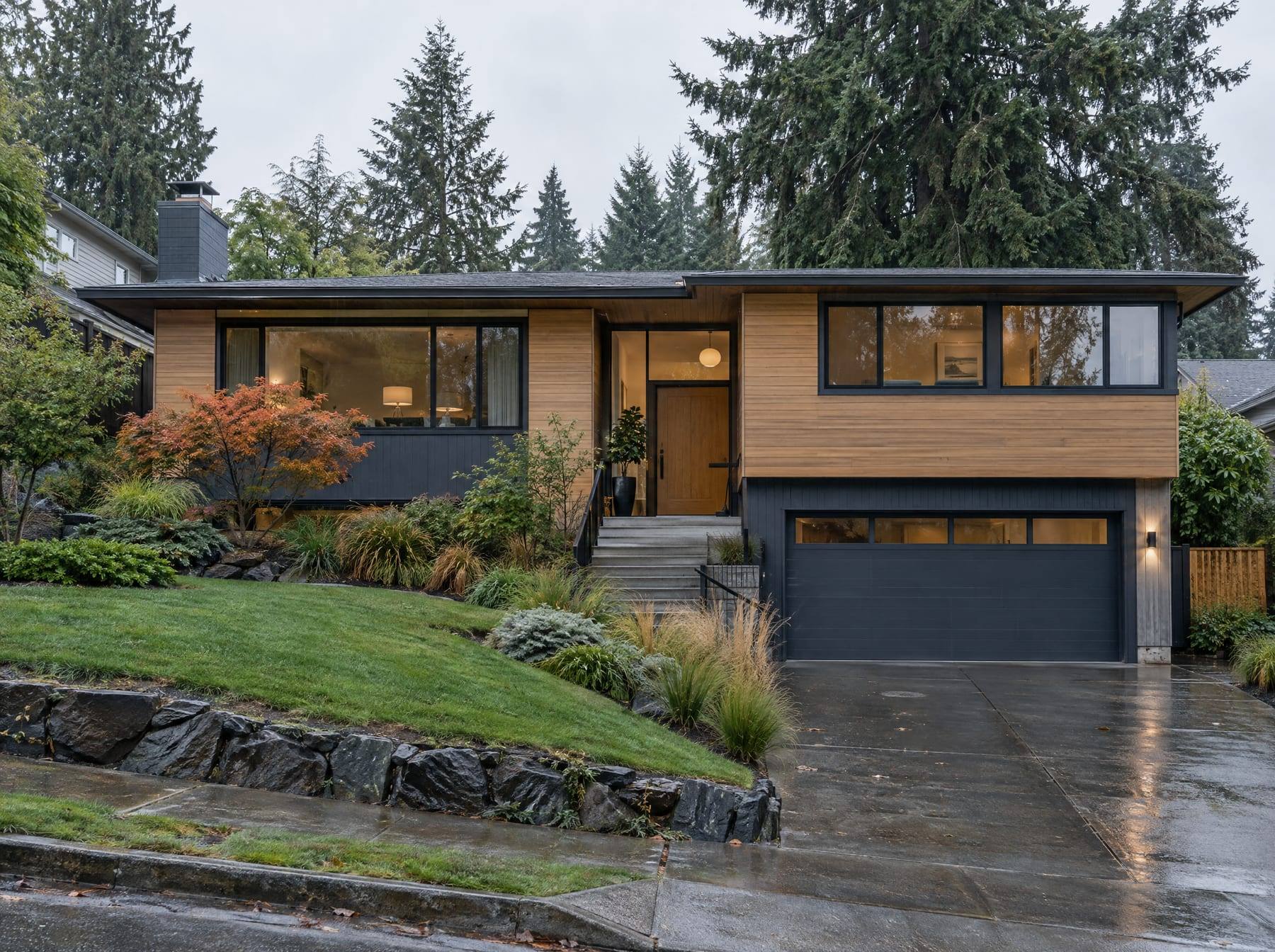
Built 1960 to 1979: what to expect
Ranch houses and split-entry houses, which the state historic preservation office shows in examples from about 1964 to 1975, including houses in Seattle, Shoreline, Bellevue, Federal Way and Newcastle, and, from 1965, Shed Style houses with single-sloped roofs, which the state says were touted as a contemporary design suited to Northwest living.
- 01
Aluminum branch wiring
The CPSC says cable installed between 1965 and the mid-1970s may be aluminum. Its survey found aluminum-wired homes built before 1972 were 55 times more likely than copper-wired homes to have an outlet connection reach fire hazard conditions.
For a remodel: The danger is at the connections. The CPSC recommends a qualified electrician, with full replacement by copper or two specific connector repairs it considers permanent.
Remodeling a 1950s to 1970s rambler or split-level - 02
Lead paint
EPA says 24% of homes built from 1960 to 1978 have some lead-based paint.
For a remodel: Houses built before 1978 fall under the lead renovation rule, so paid work that disturbs paint needs a lead-safe certified firm.
Lead-safe renovation in homes built before 1978 - 03
Asbestos in ceilings and floors
EPA lists textured paint and patching compounds on walls and ceilings, and vinyl floor tiles, sheet flooring and adhesives, among common places for asbestos.
For a remodel: The Puget Sound Clean Air Agency's survey comes first. It cautions that painting over a popcorn ceiling to seal it can make later removal harder and more expensive.
Asbestos surveys before a Puget Sound remodel - 04
Living space over a garage
HUD and the Department of Natural Resources flag houses whose ground floor is largely open, such as a garage, as soft stories that may collapse in an earthquake.
For a remodel: Seattle's pre-drawn retrofit plans do not cover framing above the first floor, so a split-level or garage-under house is likely to need an engineer's design.
Bolting and bracing an older house during a remodel - 05
Foundation anchors may be missing
SDCI says houses built after the early 1980s may already have the anchors, bracing and framing connections, which puts these decades on the older side of the line.
For a remodel: A look in the crawl space settles it. In Seattle, the permit for a retrofit that follows the city's pre-drawn plans costs $306.60 in 2026.
Bolting and bracing an older house during a remodel - 06
Copper and galvanized pipe mixed
Copper was the most common supply pipe from the 1960s (Saint Paul Regional Water Services), but some houses kept or added galvanized runs.
For a remodel: HUD says joints between dissimilar metals corrode unless a dielectric coupling separates them, so check where the two meet.
Galvanized pipes and when to repipe - 07
Built before the 1986 energy code
Built before the state energy code of 1986, which was designed around R-19 walls, R-30 to R-38 ceilings and double-glazed windows for new houses (Laws of 1985, chapter 144).
For a remodel: Walls opened for a remodel are the easy time to insulate, and Seattle needs no building permit to insulate an existing building.
What Washington's energy code means for a remodel
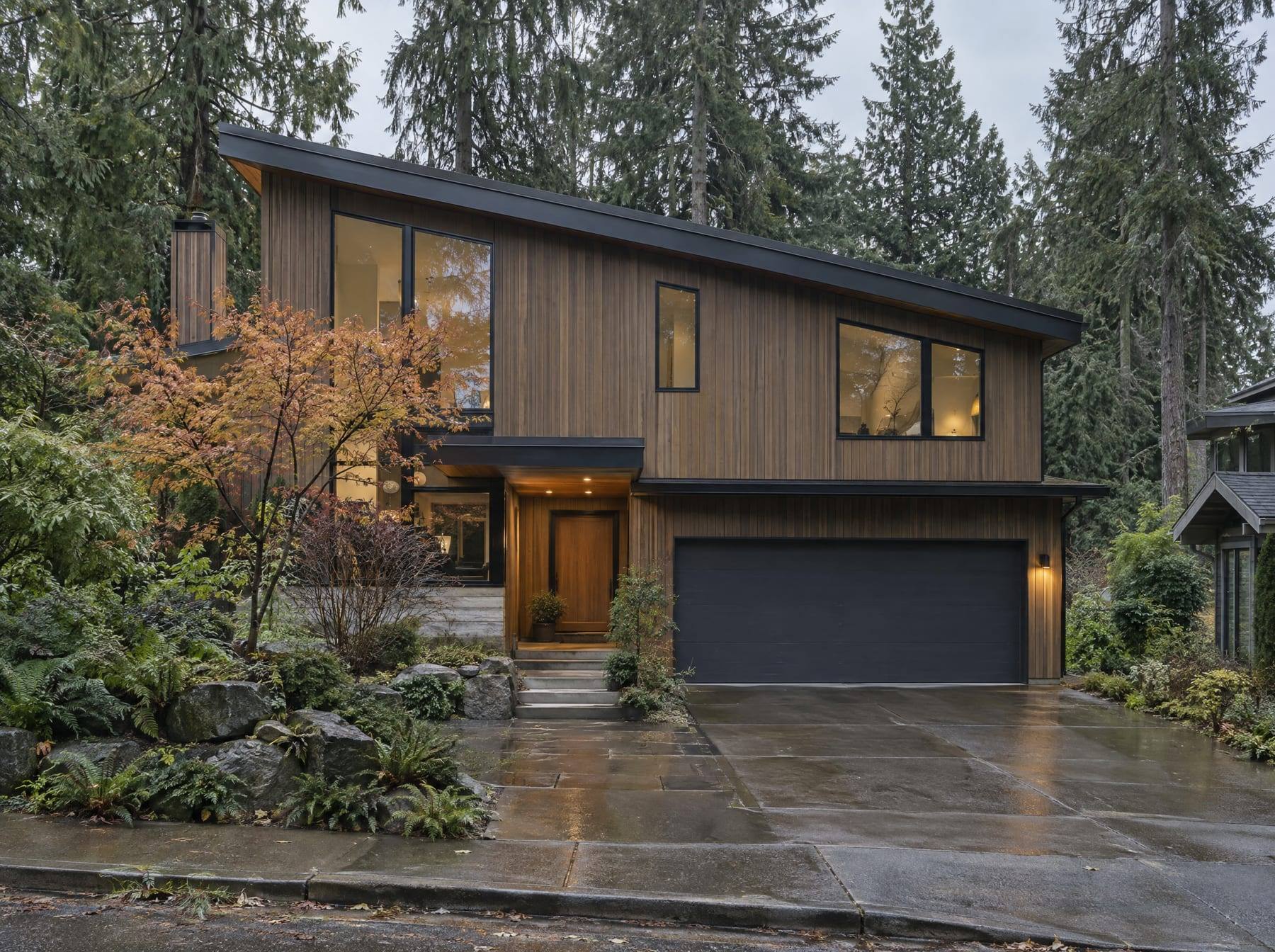
Built 1980 to 1999: what to expect
Ranch houses kept being built (the state's style guide dates the type to 1945 to 1995), and the Shed Style, with its single-sloped roofs and board siding, peaked in popularity in the early 1980s, the state says. From 1986, new houses were built under Washington's revised state energy code.
- 01
Seismic connections likely in place
SDCI says a house built after the early 1980s may already have the required anchors, bracing and framing connections.
For a remodel: For a Seattle substantial alteration on an STFI permit, a house built under the 1985 Uniform Building Code or a later code needs no added seismic plans (SDCI Tip 316). Confirm the code it was built under.
Bolting and bracing an older house during a remodel - 02
The 1986 state energy code
Houses built under the energy code every Washington city enforced from April 1, 1986 were designed around R-19 walls, R-30 to R-38 ceilings and double-glazed windows (Laws of 1985, chapter 144).
For a remodel: Houses from 1980 to early 1986 predate it. In any of them, new work in a remodel follows the current energy code.
What Washington's energy code means for a remodel - 03
Lead solder in older copper
EPA says lead pipes, fixtures and solder are more likely in homes built before 1986. Seattle Public Utilities reports no known lead service lines in its system.
For a remodel: If lead is a concern, SPU points to a lab certified by the state Department of Ecology; a test costs $25 to $50.
Galvanized pipes and when to repipe - 04
Polybutylene supply pipe
Some houses may have plastic supply pipe marked PB, for polybutylene. HUD's inspection guide, published in 2000, notes class action lawsuits over polybutylene pipe and fittings.
For a remodel: Inspect it closely, and replace runs that a remodel exposes rather than closing them back in.
Galvanized pipes and when to repipe - 05
Lead paint rules end in 1978
The federal government banned lead-based paint for homes in 1978 (EPA).
For a remodel: The lead renovation rule applies to housing built before 1978, so it does not apply to houses built in these years.
Lead-safe renovation in homes built before 1978 - 06
An asbestos survey is still required
The Puget Sound Clean Air Agency requires a check for asbestos before beginning any renovation project.
For a remodel: A newer house still gets a survey before demolition, which tells the crew which materials are safe to disturb.
Asbestos surveys before a Puget Sound remodel
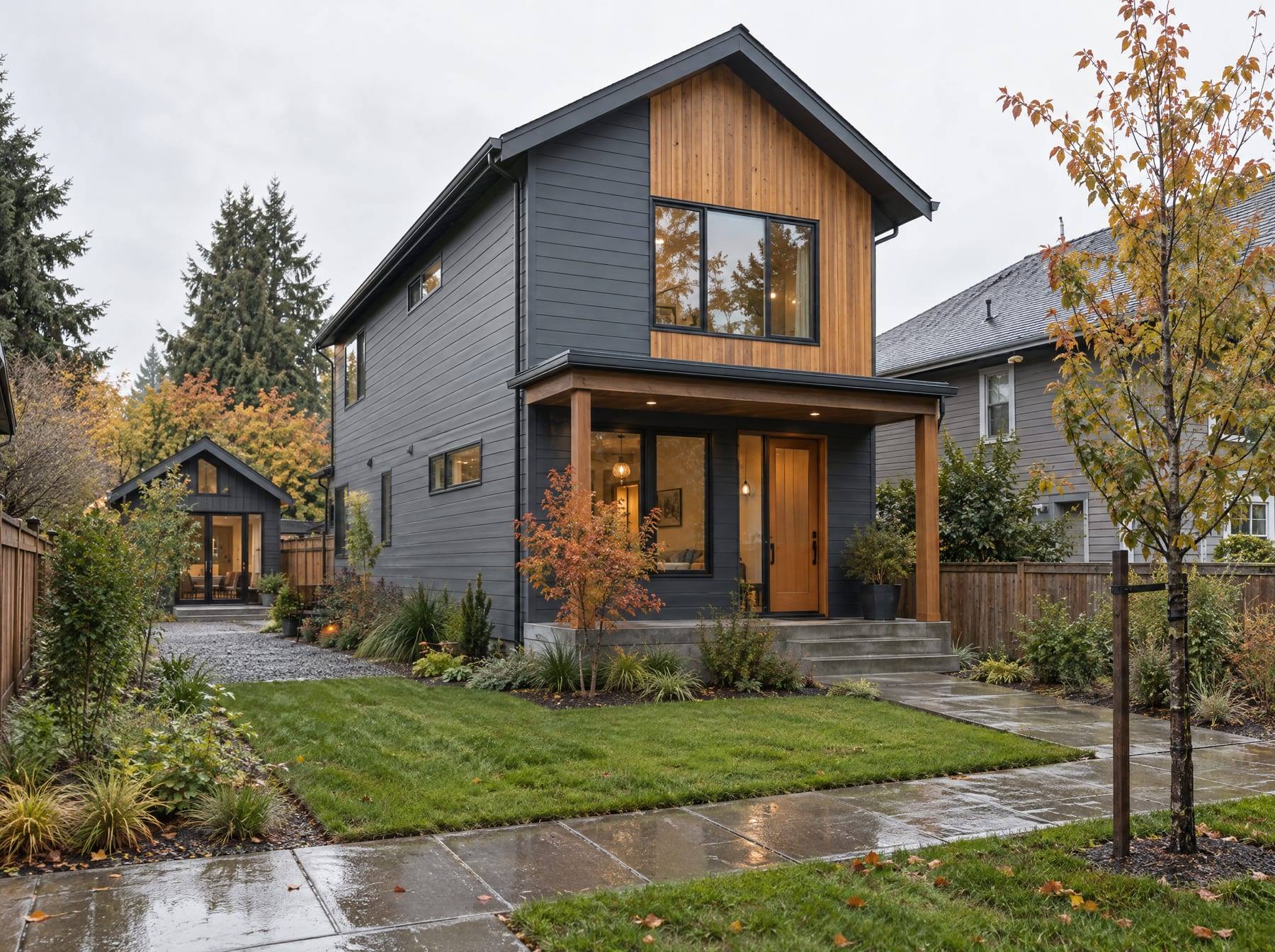
Built in 2000 or later: what to expect
Newer houses, townhouses and backyard cottages, built with the materials and under the codes of their time. A remodel's questions here are mostly about electrical capacity, newer materials and the permits that apply to any project.
- 01
PEX plastic supply pipe
Saint Paul Regional Water Services says homes built since the late 1990s are mostly piped with PEX, a flexible cross-linked polyethylene.
For a remodel: HUD's guide says plastic piping that is properly installed, supported and protected from sunlight and damage should last indefinitely.
Galvanized pipes and when to repipe - 02
Larger electrical service
A Department of Energy fact sheet says 150 or 200 amp panels are found in many newer homes.
For a remodel: There is more room for a heat pump, induction range or EV charger, but a load calculation still decides, and a full panel can still have capacity.
Does your remodel need a bigger electrical panel? - 03
Anchors and bracing built in
SDCI says houses built after the early 1980s may already have the required anchors, bracing and framing connections.
For a remodel: Confirm it in the crawl space rather than assume. Moving a bearing wall still follows the beam and engineer rules of the permit.
Opening a wall: load-bearing walls, beams and permits - 04
Built under the state energy code
Washington has required a state energy code for new houses since 1986 (Laws of 1985, chapter 144), in later editions since then.
For a remodel: New work in a remodel follows the current edition of the energy code.
What Washington's energy code means for a remodel - 05
No lead-safe rule, but still an asbestos survey
EPA's lead renovation rule covers housing built before 1978. The Puget Sound Clean Air Agency requires a check for asbestos before beginning any renovation project.
For a remodel: The lead rules do not apply, but the asbestos survey does, and a copy stays on site during the work.
Asbestos surveys before a Puget Sound remodel
Sources
- 01Seattle Department of Neighborhoods: Historic Resources Survey Report, Fremont neighborhood residential buildings (January 2010) (read Nov 26, 2026)
- 02Seattle Department of Neighborhoods: Report on designation, Stewart House (read Nov 26, 2026)
- 03Washington Department of Archaeology and Historic Preservation: Architectural style guide, WWII Era Cottage (read Nov 26, 2026)
- 04Washington Department of Archaeology and Historic Preservation: Architectural style guide, Ranch (read Nov 26, 2026)
- 05Washington Department of Archaeology and Historic Preservation: Architectural style guide, Split Entry (read Nov 26, 2026)
- 06Washington Department of Archaeology and Historic Preservation: Architectural style guide, Shed (read Nov 26, 2026)
- 07HUD: Residential Rehabilitation Inspection Guide (National Institute of Building Sciences, February 2000) (read Nov 26, 2026)
- 08U.S. Consumer Product Safety Commission: Repairing aluminum wiring, Publication 516 (June 2011) (read Nov 26, 2026)
- 092023 Seattle Electrical Code Supplement Quick Reference (effective November 15, 2024) (read Nov 26, 2026)
- 10U.S. Department of Energy, Building Science Education: Home electrification and electric panel upgrades fact sheet (2024) (read Nov 26, 2026)
- 11Saint Paul Regional Water Services: Plumbing information for homeowners (read Nov 26, 2026)
- 12U.S. EPA: Basic information about lead in drinking water (read Nov 26, 2026)
- 13Seattle Public Utilities: Lead in water (read Nov 26, 2026)
- 14Seattle Public Utilities: Water quality monitoring results (read Nov 26, 2026)
- 15U.S. EPA: Frequent questions about testing for lead-based paint (read Nov 26, 2026)
- 16U.S. EPA: Protect your family from sources of lead (read Nov 26, 2026)
- 17Washington Department of Commerce: Renovation, Repair and Painting (RRP) program (read Nov 26, 2026)
- 18U.S. EPA: Learn about asbestos (read Nov 26, 2026)
- 19Puget Sound Clean Air Agency: Contractor renovation (asbestos) (read Nov 26, 2026)
- 20Puget Sound Clean Air Agency: Homeowner renovation (asbestos) (read Nov 26, 2026)
- 21Washington Department of Natural Resources: A homeowner's guide to earthquakes in Washington State (read Nov 26, 2026)
- 22Seattle SDCI: Protect your home from earthquake damage (brochure) (read Nov 26, 2026)
- 23Seattle SDCI: Earthquake home retrofit, 2025 Home Fair presentation (read Nov 26, 2026)
- 24Seattle SDCI: 2026 Fee Subtitle (read Nov 26, 2026)
- 25Seattle SDCI Tip 316: Subject-to-field-inspection permits (updated October 29, 2026) (read Nov 26, 2026)
- 26SDCI Director's Rule 07-2025: Alteration and repair of unreinforced masonry chimneys (effective January 8, 2026) (read Nov 26, 2026)
- 27City of Seattle: Heating oil tank policy recommendation (June 30, 2020) (read Nov 26, 2026)
- 28Seattle Fire Department: Permits, questions about oil tank records (read Nov 26, 2026)
- 29Seattle Fire Department: Residential heating oil tank decommissioning permit application, code 6103 (read Nov 26, 2026)
- 30Seattle Office of Sustainability and Environment: Seattle's Clean Heat program (read Nov 26, 2026)
- 31Washington State Legislature: Laws of 1985, chapter 144 (energy-related building standards) (read Nov 26, 2026)
- 32Seattle SDCI: Do you need a permit? (read Nov 26, 2026)
This is what is common for houses of each era, not a report on any one house. Only opening the walls, or a professional inspection or test, tells you what yours has.
Read next
Free estimate
Find out what your walls hide, before the price is set
We look at what can be seen at a free in-home visit, and the written estimate says what is included and what would change it.
Washington general contractor GIANTBS782RZ, registered with the Department of Labor & Industries. The record is public.