
Topic · 6 articles
Older homes
What Seattle houses of each era hide behind their walls, and what to do about it.
- 01
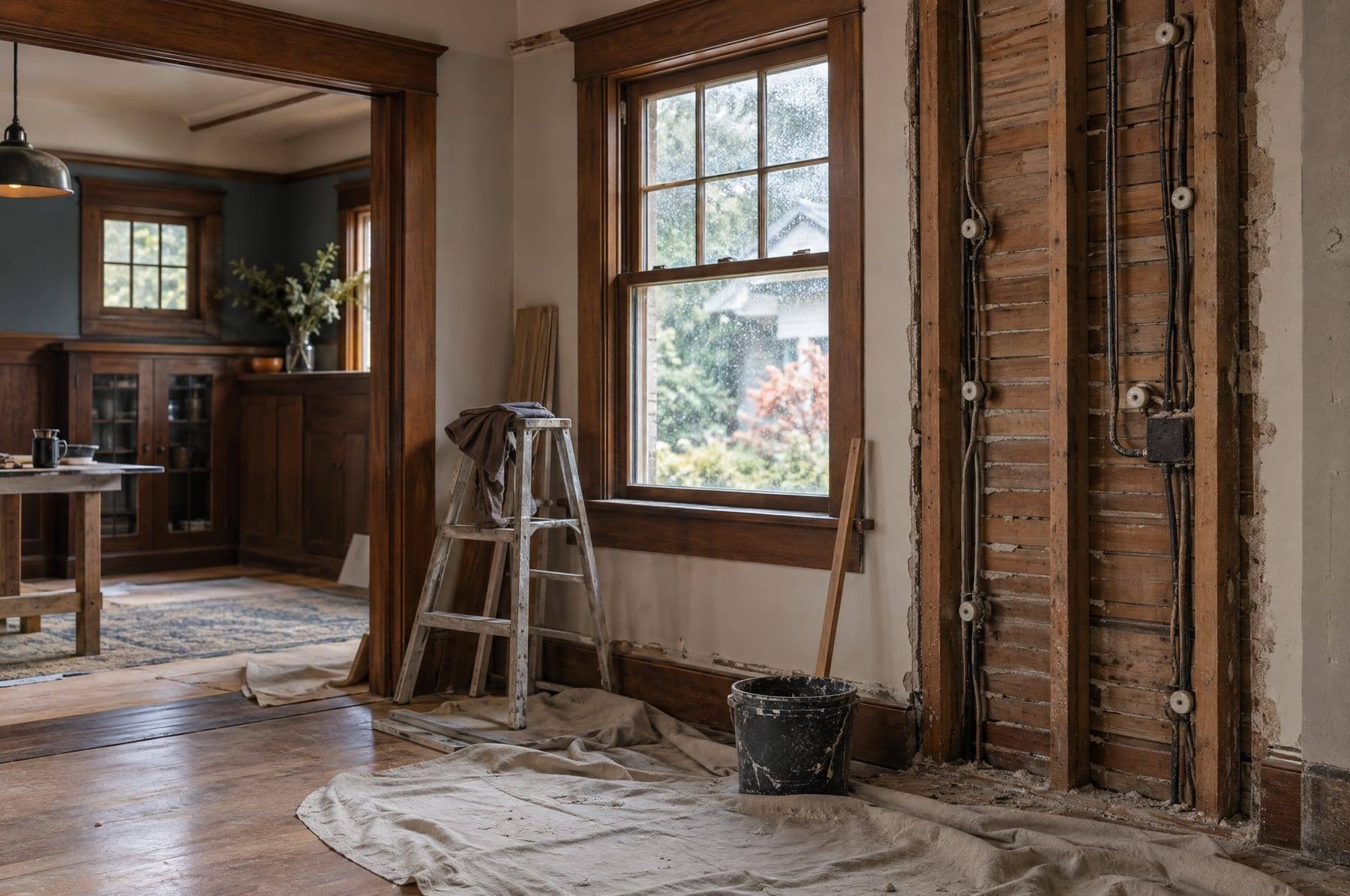 Remodeling a Seattle Craftsman: What to Plan ForA Seattle Craftsman, built roughly 1900 to 1930, often still has knob-and-tube wiring, galvanized steel water pipe, lead paint and a frame that is not bolted to its foundation. Before demolition, the Puget Sound Clean Air Agency requires an asbestos survey, and Washington's lead rules require a certified firm for paid work that disturbs paint. If the remodel replaces wall surfaces in more than 60 percent of the house, SDCI is likely to treat it as a substantial alteration, which brings seismic upgrades, and an altered brick chimney must meet SDCI Director's Rule 7-2025.9 min read
- 02
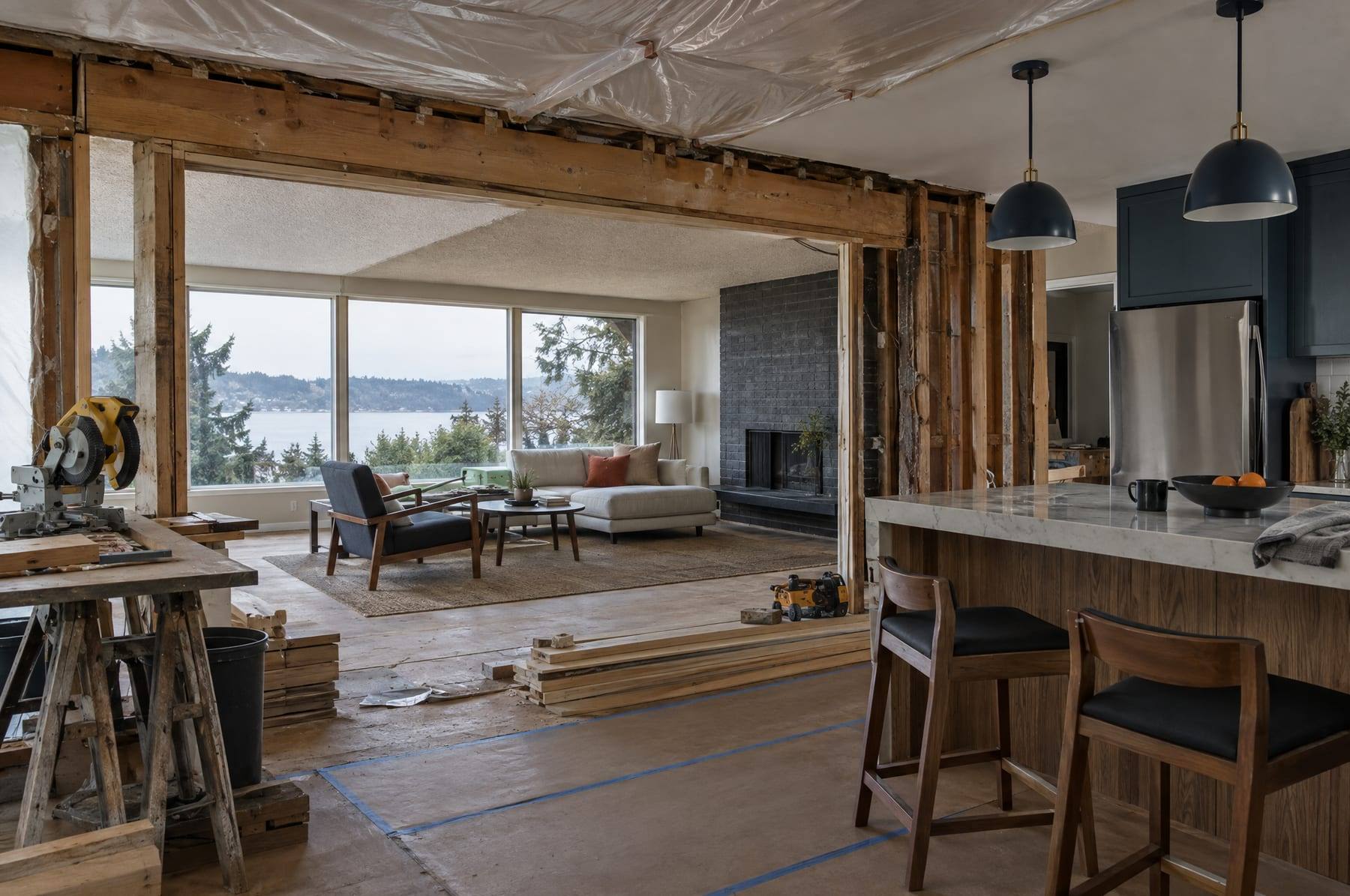 Remodeling a 1950s to 1970s Rambler or Split-LevelA Seattle-area rambler or split-level built from the 1950s to the 1970s may have aluminum branch wiring, which the CPSC says was used from about 1965 to the mid-1970s, along with ungrounded two-prong outlets, asbestos in textured ceilings, vinyl flooring and duct wrap, and lead paint: EPA says 24% of homes built from 1960 to 1978 have some. Many lack foundation anchors and cripple-wall bracing, and living space over a garage is a known earthquake weak point. An asbestos survey comes before demolition, and a second story needs full plan review in Seattle.9 min read
- 03
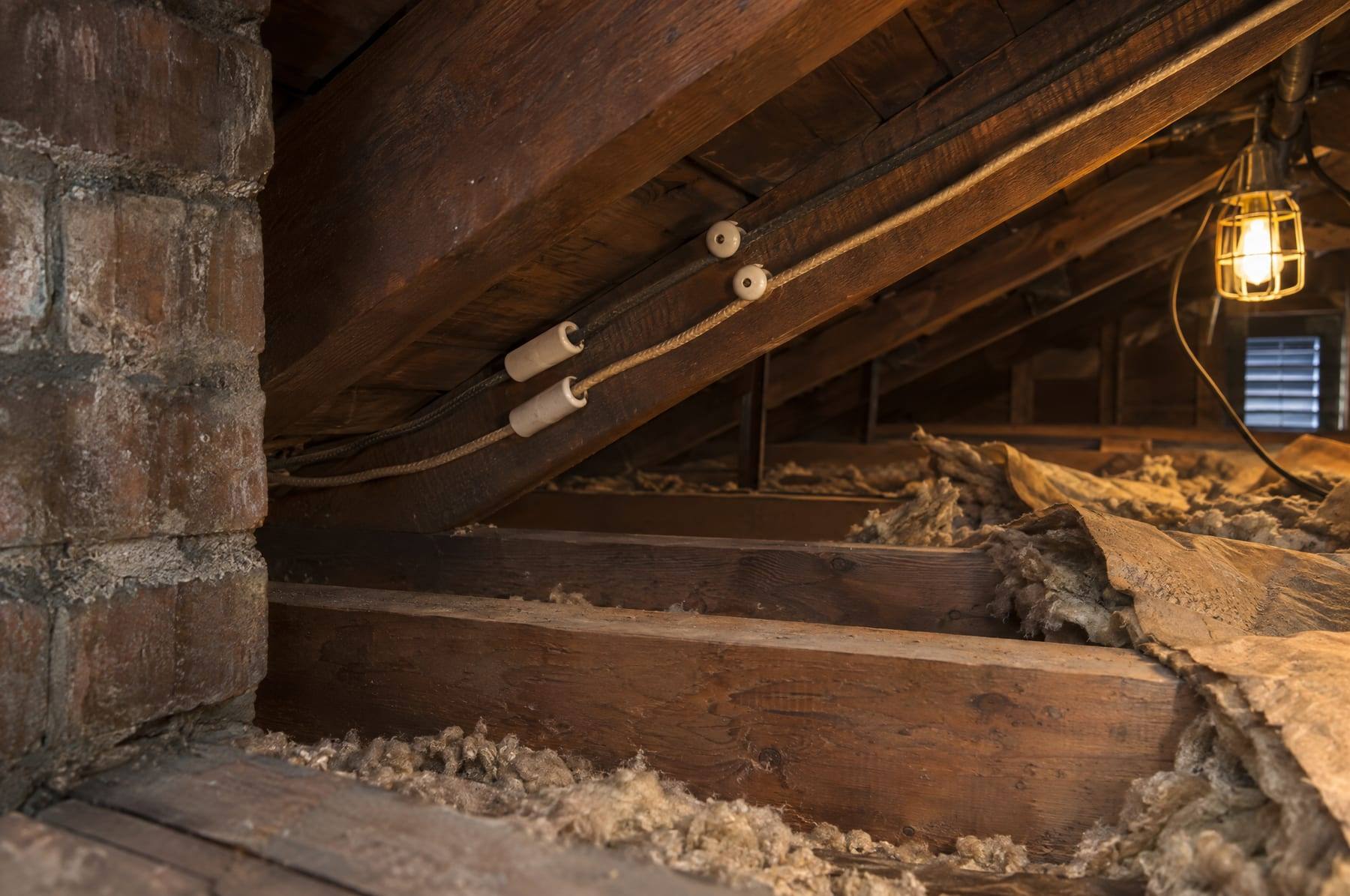 Knob-and-Tube Wiring in Seattle Homes: Remodel RulesKnob-and-tube wiring, the porcelain-insulator system that HUD's inspection guide says is still found fairly often in houses built before 1930, may stay in use in Seattle if it was lawful when installed and is not left unsafe or overloaded. Insulation may cover it only after a licensed electrical contractor certifies in writing that it is in good condition, and foam insulation is never allowed. A rewire needs an SDCI electrical permit: $55.48 plus $26.28 for each circuit up to 25 amps, plus a 5% technology fee, in 2026.8 min read
- 04
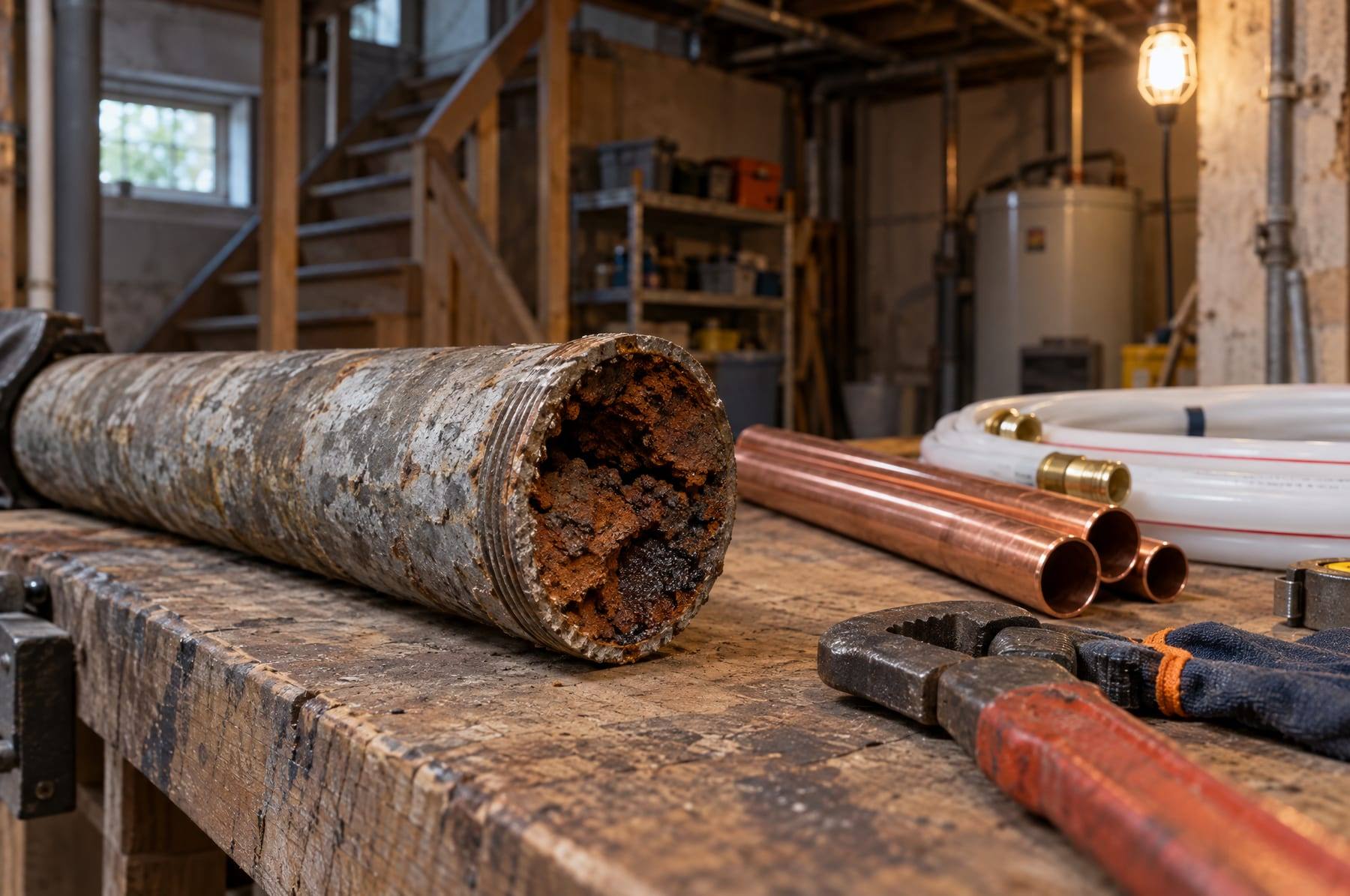 Galvanized Pipes in Seattle Homes: When to RepipeGalvanized steel water pipe, common in houses built before the 1960s, rusts from the inside once its zinc coating wears away. HUD's inspection guide puts its service life at 20 to 50 years and names rust-colored water and low pressure as signs of advanced wear. Seattle Public Utilities reports no known lead service lines in its system, but old solder and brass fixtures can add lead. In Seattle, a repipe needs a plumbing permit from Public Health Seattle and King County: $137 plus $27 per fixture listed, effective January 1, 2026.8 min read
- 05
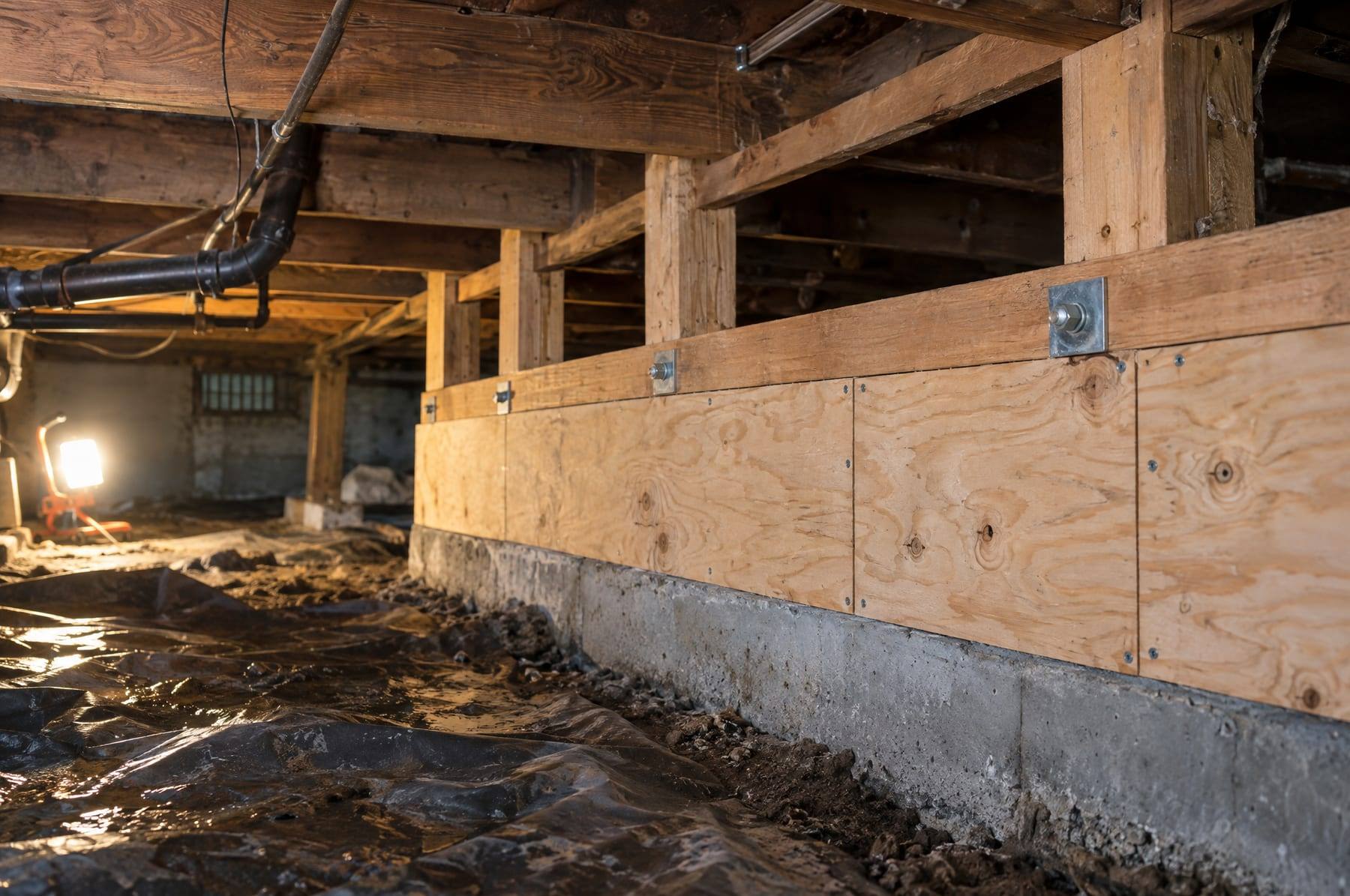 Seismic Retrofit During a Remodel in SeattleSeattle's Earthquake Home Retrofit permit covers three steps: anchor the house to its foundation, brace the short cripple wall between the foundation and the first floor, and connect that wall to the floor framing. A house that fits the city's prescriptive plan set needs no engineer and pays a reduced fee, one times SDCI's $292 base fee in 2026 plus the 5% technology fee, with first review typically in two weeks. The work is voluntary unless the remodel is a substantial alteration, such as replacing wall surfaces in more than 60 percent of the house.8 min read
- 06
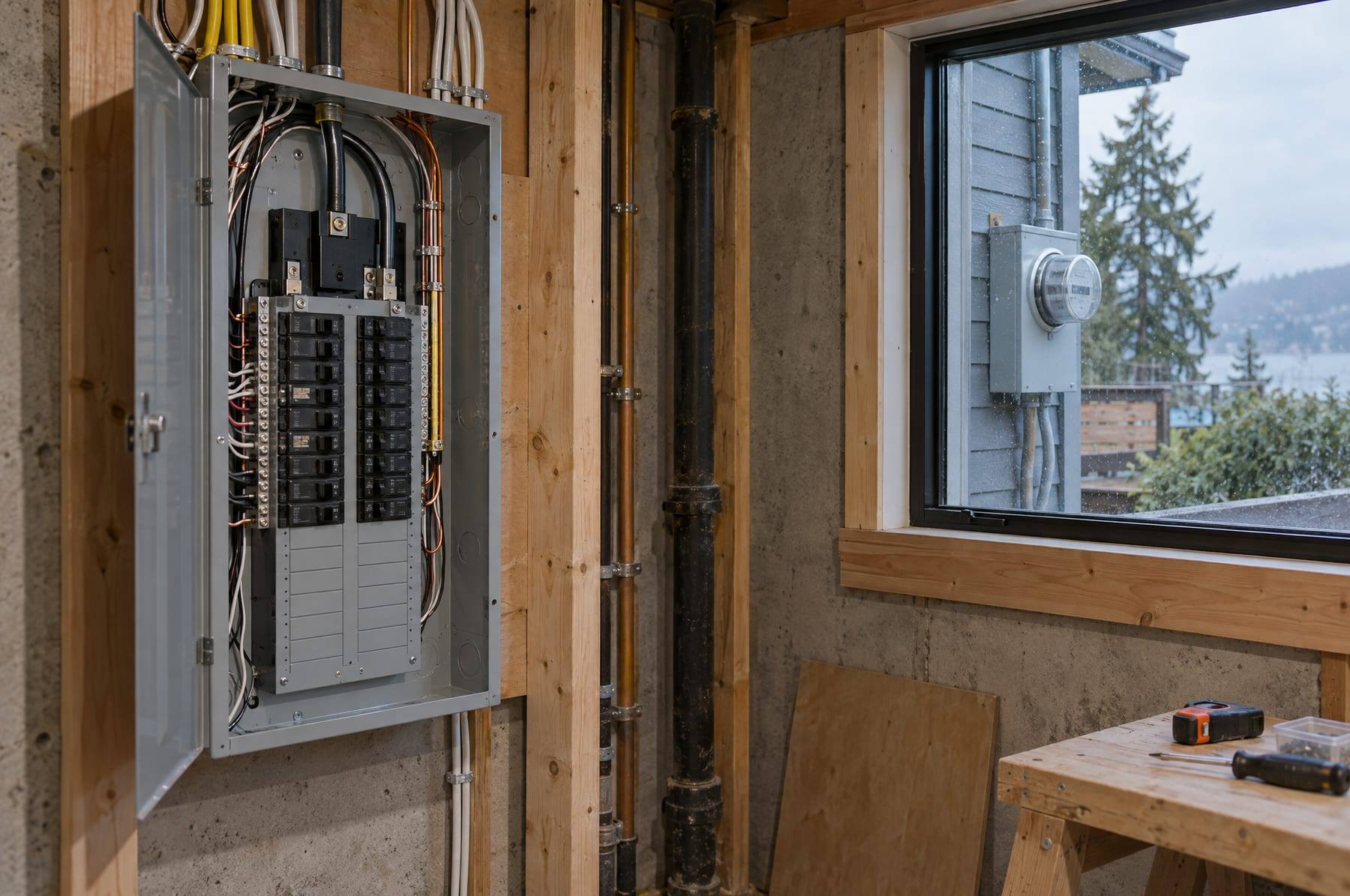 Electrical Panel Upgrade for a Seattle RemodelA remodel needs a bigger electrical service only when a load calculation under Article 220 of the National Electrical Code shows the existing one cannot carry the new equipment. One method uses a year of the utility's peak demand data plus 25%; another totals the house's loads. In Seattle a service change needs an SDCI electrical permit ($292 for 150 to 200 amps, plus other fees) and an application to Seattle City Light, which estimates 2 weeks to process it, 16 weeks for design and 10 weeks to connect a simple overhead upgrade.9 min read