The short answer
You can usually live at home during a remodel if you keep a bedroom, a bathroom and some way to cook outside the work area, and the work area is sealed off. In a house built before 1978, firms paid to disturb paint must be lead-safe certified, use lead-safe work practices and verify their cleanup. In Seattle, the noise code allows construction from 7 a.m. to 10 p.m. on weekdays and 9 a.m. to 10 p.m. on weekends in most residential areas, and jackhammers only from 8 a.m. (9 a.m. on weekends) to 5 p.m.
Key points
- 01Staying works when a bedroom, a working bathroom and a way to cook remain outside the sealed work area.
- 02EPA's Renovate Right pamphlet advises sealing doors and vents, turning off forced-air heat during the work and keeping occupants out of the work area.
- 03Children under six and pets need to be kept away from the work, because lead dust is the most common way people are exposed to lead.
- 04Seattle allows construction from 7 a.m. to 10 p.m. on weekdays and 9 a.m. to 10 p.m. on weekends in most residential areas, with tighter hours for impact tools.
- 05A dumpster in a Seattle street needs an SDOT Street Use permit before it is delivered.
In this article (8 sections)
- 01Can you live at home during a remodel?
- 02How is dust kept out of the rest of the house?
- 03How do you live without a kitchen during a remodel?
- 04What about water, power and the only bathroom?
- 05How do you keep children, pets and sensitive family members safe?
- 06What hours can a crew work in Seattle?
- 07What should you do with furniture, valuables and keys?
- 08What does a normal day look like when you stay?
Can you live at home during a remodel?
Usually, if three things stay available outside the work area: a place to sleep, a working bathroom and a way to prepare food. EPA's Renovate Right pamphlet, which a renovation firm must give you before work starts in a house built before 1978, says the work area should not be accessible to occupants while the work goes on, and that you may need alternative bedroom, bathroom and kitchen arrangements. It adds that you may even want to move out temporarily for all or part of the work.
| Project | What you lose | Staying usually works when |
|---|---|---|
| Kitchen remodel | The kitchen, for most of the job | You set up a temporary kitchen elsewhere in the house |
| Bathroom remodel | That bathroom | The house has another working toilet and shower |
| Basement finishing | The basement, and sometimes laundry and storage | The furnace, the water heater and the laundry stay usable, or are dealt with first |
| Addition or bump-out | Little until the opening into the house is cut | The work stays outside the existing walls until late in the job |
| Second story or whole-house remodel | The roof, most rooms, or water and power at times | Rarely; moving out for some or all of it is often safer and faster |
The whole-home remodeling page covers phasing a large job so you can stay for part of it, and the kitchen timeline shows how long a kitchen is out of service.
How is dust kept out of the rest of the house?
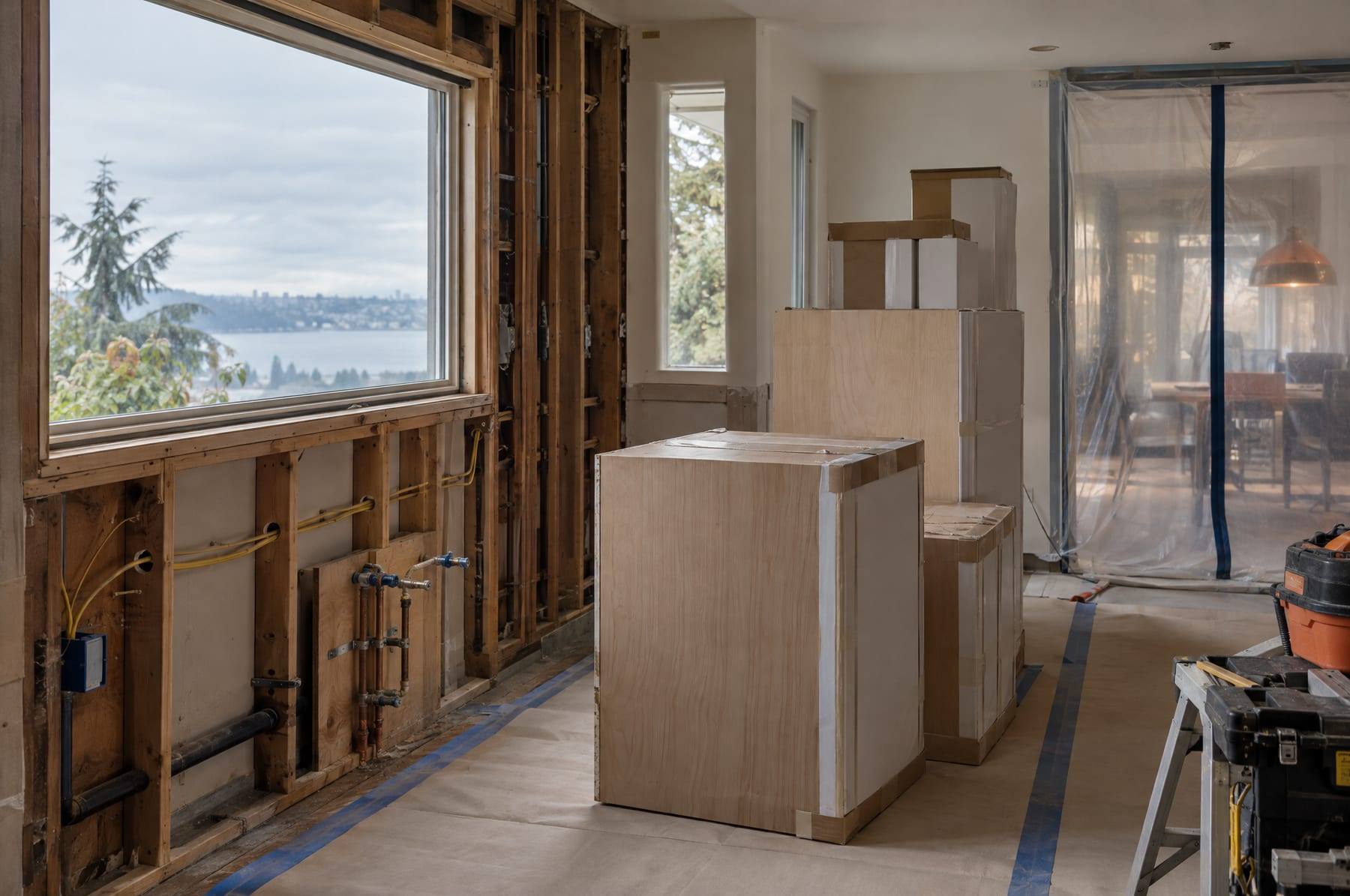
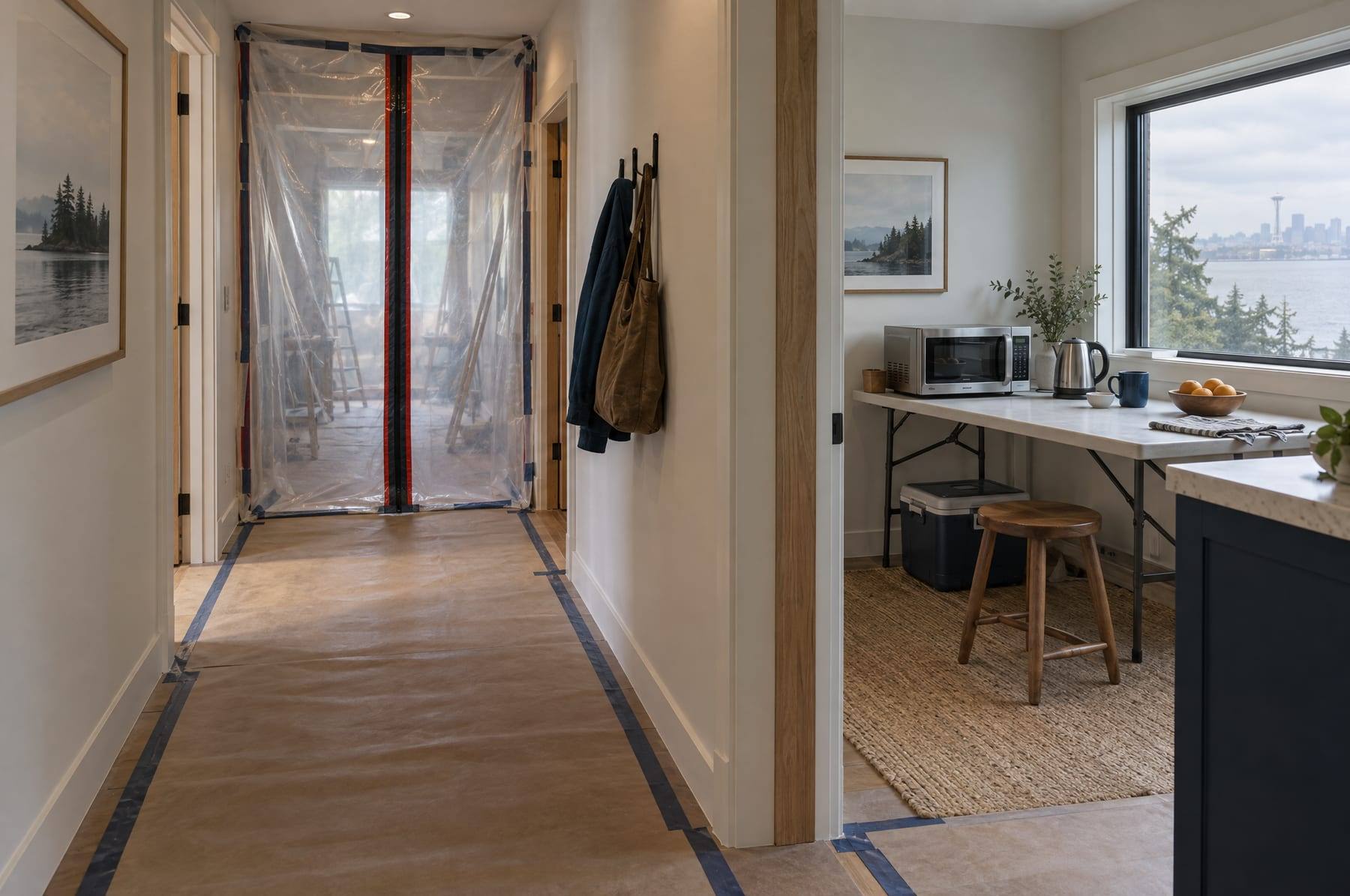
By sealing the work area, controlling the air and cleaning every day. EPA's pamphlet describes the basic steps for lead-safe work, and they are good practice in any house: seal off doors and heating and cooling vents, cover floors and any furniture that cannot be moved, and wrap fixed items such as cabinets in plastic.
- A sealed work area. Plastic sheeting from floor to ceiling, with a zip door or a flap at the opening the crew uses.
- Forced-air heat off, or the vents sealed. EPA's pamphlet says to turn off forced-air heating and air conditioning while the work is done, so dust does not travel through the ducts. In a Seattle winter, plan how the rest of the house will stay warm.
- A separate path in and out. The pamphlet suggests a route from the work area to the outside that is not the entrance your family uses.
- Daily cleanup. The work area cleaned at the end of each day, and a careful final cleaning before the plastic comes down.
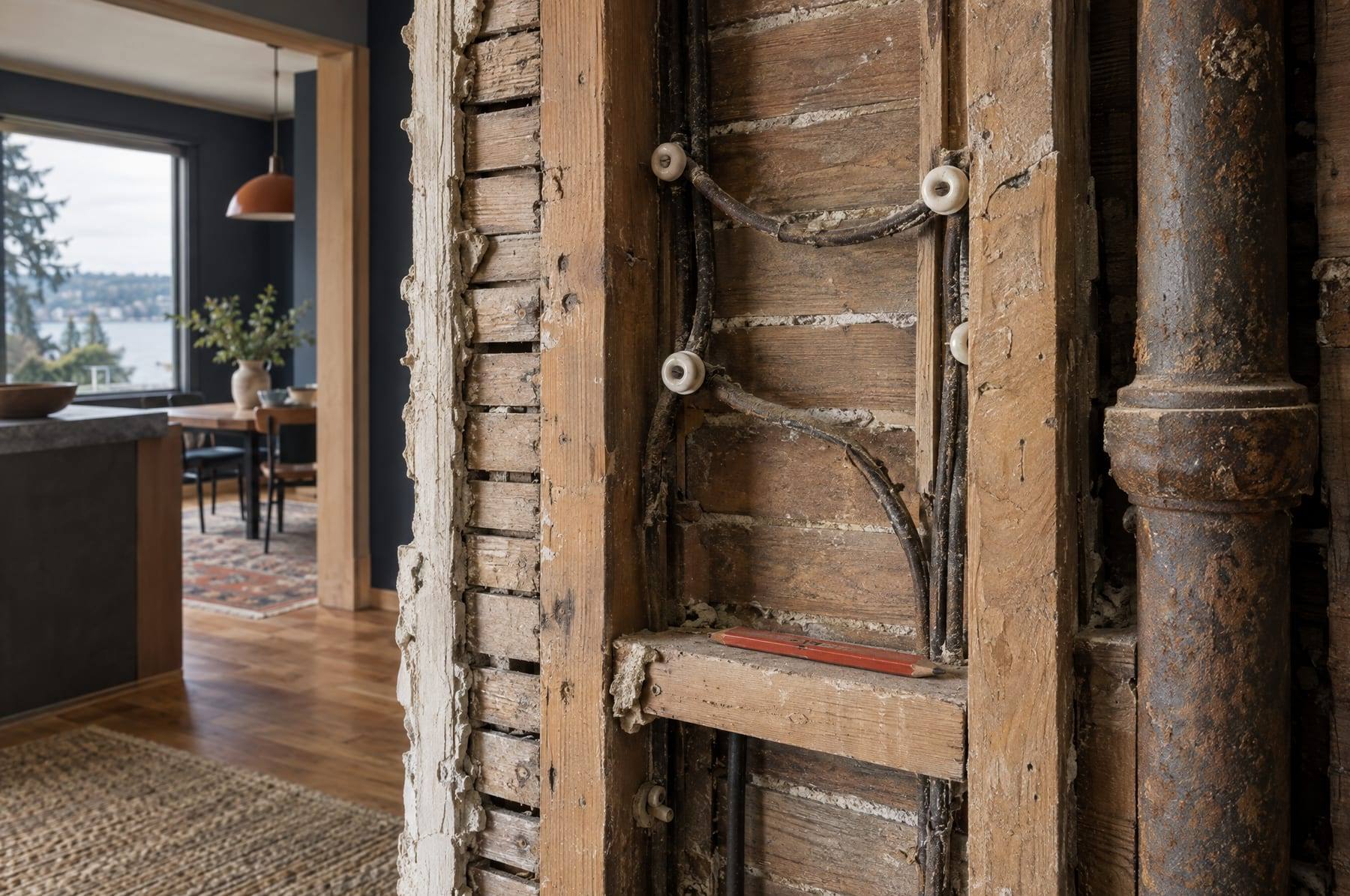
In a house built before 1978, more is required. EPA requires anyone paid to disturb painted surfaces to be certified, and Washington runs its own program through the Department of Commerce. Certified firms must follow a cleaning protocol and check the work area with disposable cleaning cloths against an EPA verification card. Under Washington's rule, the firm must give you the Renovate Right pamphlet no more than 60 days before work begins (WAC 365-230-320). See lead-safe renovation.
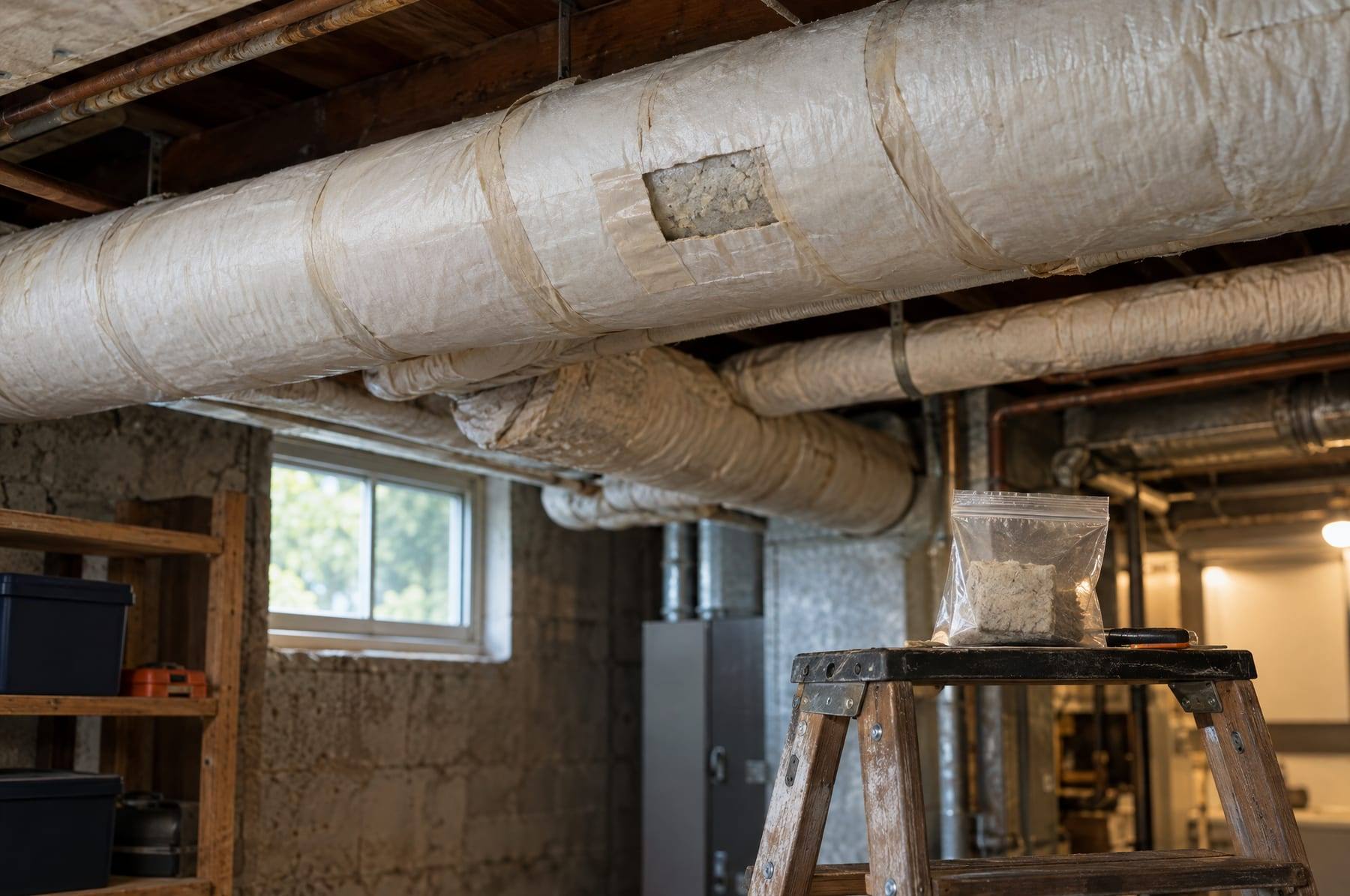
Asbestos is checked before work starts. The Puget Sound Clean Air Agency requires an asbestos survey before any renovation, and a copy must be kept at the job site. See asbestos surveys before a Puget Sound remodel.
How do you live without a kitchen during a remodel?
Set up a temporary kitchen before demolition day, in a room away from the dust, near a sink, and on a circuit that can carry the appliances you plan to run.
- The refrigerator, moved out of the work area
- A microwave, a kettle and a plug-in cooker such as a slow cooker or a single induction burner, run one at a time if they share a circuit
- A sink for washing up: a laundry sink or a bathroom sink
- A folding table as a counter, and a bin of plates, cups and utensils for everyday use
- Meals cooked ahead and frozen before the kitchen comes out
- A line in the budget for take-out and meals out
- Everything else from the kitchen boxed, labeled and stored away from the work
Ask the contractor for the dates when the kitchen goes out of service and when the sink and the range will work again, so you can plan meals and any holidays around them.
What about water, power and the only bathroom?
Plumbing and electrical work means the water or the power to part of the house will be off at times. Ask the contractor for a schedule that shows the shutoff days, and whether each shutoff lasts hours or overnight.
- One bathroom in the house. If it is the room being remodeled, ask whether the toilet can stay in use until late in the job, and plan to shower elsewhere for the days the room is fully out of service.
- Heat. If the furnace or its ducts are in the work area, ask how the rest of the house will be heated while the forced-air system is off.
- Internet, alarms and the electrical panel. Point out where the router, the alarm panel and the smoke and carbon monoxide alarms are, so they are protected or moved rather than buried, and keep the path to the electrical panel clear.
Working alarms matter throughout the job. In Seattle, when an alteration needs a permit, the house must have smoke alarms as required for new homes, and carbon monoxide alarms are checked at inspection (Seattle Residential Code R314.2.2 and R315.2.2). Keep alarms working in the rooms you use while the work goes on.
How do you keep children, pets and sensitive family members safe?
Keep them out of the work area entirely. EPA's pamphlet says lead is especially dangerous to children under six, that lead in dust is the most common way people are exposed, and that pets can be poisoned too and can track lead dust into other rooms.
- A closed door or barrier into the work area, and a family rule that it is off limits, including after hours
- A safe room for pets during work hours, or a stay with friends on the loudest days
- No crawling babies or toddlers on the floors along the crew's path
- Hands, toys, bottles and pacifiers washed often, as EPA's pamphlet advises
- A plan for anyone who is pregnant or has asthma or another breathing problem, worked out with their doctor, which may mean staying elsewhere on demolition and sanding days
What hours can a crew work in Seattle?
Seattle's noise code allows construction from 7 a.m. to 10 p.m. on weekdays and 9 a.m. to 10 p.m. on weekends and legal holidays. In Lowrise, Midrise, Highrise, Residential-Commercial and Neighborhood Commercial zones the day ends at 7 p.m. Impact work such as jackhammers, pile driving and sandblasting is limited to 8 a.m. to 5 p.m. on weekdays and 9 a.m. to 5 p.m. on weekends and holidays.
| Work | Weekdays | Weekends and legal holidays |
|---|---|---|
| Construction, general limit | 7 a.m. to 10 p.m. | 9 a.m. to 10 p.m. |
| Construction in Lowrise, Midrise, Highrise, Residential-Commercial and Neighborhood Commercial zones | 7 a.m. to 7 p.m. | 9 a.m. to 7 p.m. |
| Impact work: jackhammers, pile driving, sandblasting | 8 a.m. to 5 p.m. | 9 a.m. to 5 p.m. |
SDCI counts New Year's Day, Memorial Day, Independence Day, Labor Day, Thanksgiving Day, the day after Thanksgiving and Christmas Day as legal holidays. Other cities set their own hours.
Those are the legal limits, not a crew's working day. Ask the contractor what hours the crew will actually keep, and tell your neighbors the start date before demolition.
A dumpster or storage container in the street needs a Street Use permit from the Seattle Department of Transportation (SDOT) before it is delivered. SDOT asks that it sit in a legal parking space in front of your property, at least 30 feet from an intersection, 10 feet from a driveway and 15 feet from a hydrant. To reserve the space, a temporary no-parking zone is needed, with its notice posted at least 72 hours ahead. Agree with the contractor on who gets these permits.
What should you do with furniture, valuables and keys?
Clear the work area and the path to it. EPA's pamphlet notes that all furniture and belongings may have to be moved out of the work area while the work is done. Move valuables, documents and medicines to a locked room or out of the house.
- Furniture and boxes out of the work area and the crew's path
- Pictures and mirrors off the walls next to the work
- Valuables, documents and medicines locked away
- A plan for keys or a lockbox, and for who may be in the house when you are out
- Photos of the rooms next to the work before it starts
- A call to your home insurer before work begins, to ask how the remodel affects your policy
What does a normal day look like when you stay?
The crew arrives, opens the work area and works through the day. Noise is heaviest during demolition and framing, and dust during demolition, drywall sanding and floor work. Inspections happen at set points in the job, and someone may need to let the inspector in.
A short check-in at the end of the day, or a set weekly meeting, keeps questions and changes from piling up; see change orders. Small things are easier to agree on before the first day: where the crew parks, which bathroom it uses, where tools are stored overnight and how quickly each side answers messages.
On a Giant Builders Seattle job, the work area gets dust protection, the site is cleaned at the end of each day, and one project manager is your contact from the first day to the final walkthrough.
Questions people also ask
01How long will we be without a kitchen?
02Is it safe to stay during demolition in an older house?
03Should we tell the neighbors before the work starts?
04Should we move out for a bathroom remodel?
05Can we use the forced-air heat during the remodel?
Sources
- 01U.S. EPA: The Lead-Safe Certified Guide to Renovate Right (pamphlet) (read Nov 26, 2026)
- 02U.S. EPA: Lead Renovation, Repair and Painting program (read Nov 26, 2026)
- 03WAC 365-230-320: information distribution before renovation (Washington lead rules) (read Nov 26, 2026)
- 04Washington Dept. of Commerce: Renovation, Repair and Painting program (read Nov 26, 2026)
- 05Puget Sound Clean Air Agency: asbestos rules for contractor renovation (read Nov 26, 2026)
- 06Seattle SDCI: Noise codes (read Nov 26, 2026)
- 07Seattle SDCI: Noise abatement program, frequently asked questions (read Nov 26, 2026)
- 08Seattle SDOT: Storage container and residential dumpster permits (read Nov 26, 2026)
- 092021 Seattle Residential Code, chapter 3 (R314.2.2 smoke alarms, R315.2.2 carbon monoxide alarms) (read Nov 26, 2026)
Rules, rates and programs change. This article was checked against the sources above on the dates shown. It is general information for homeowners, not legal, tax or engineering advice for a specific property.