
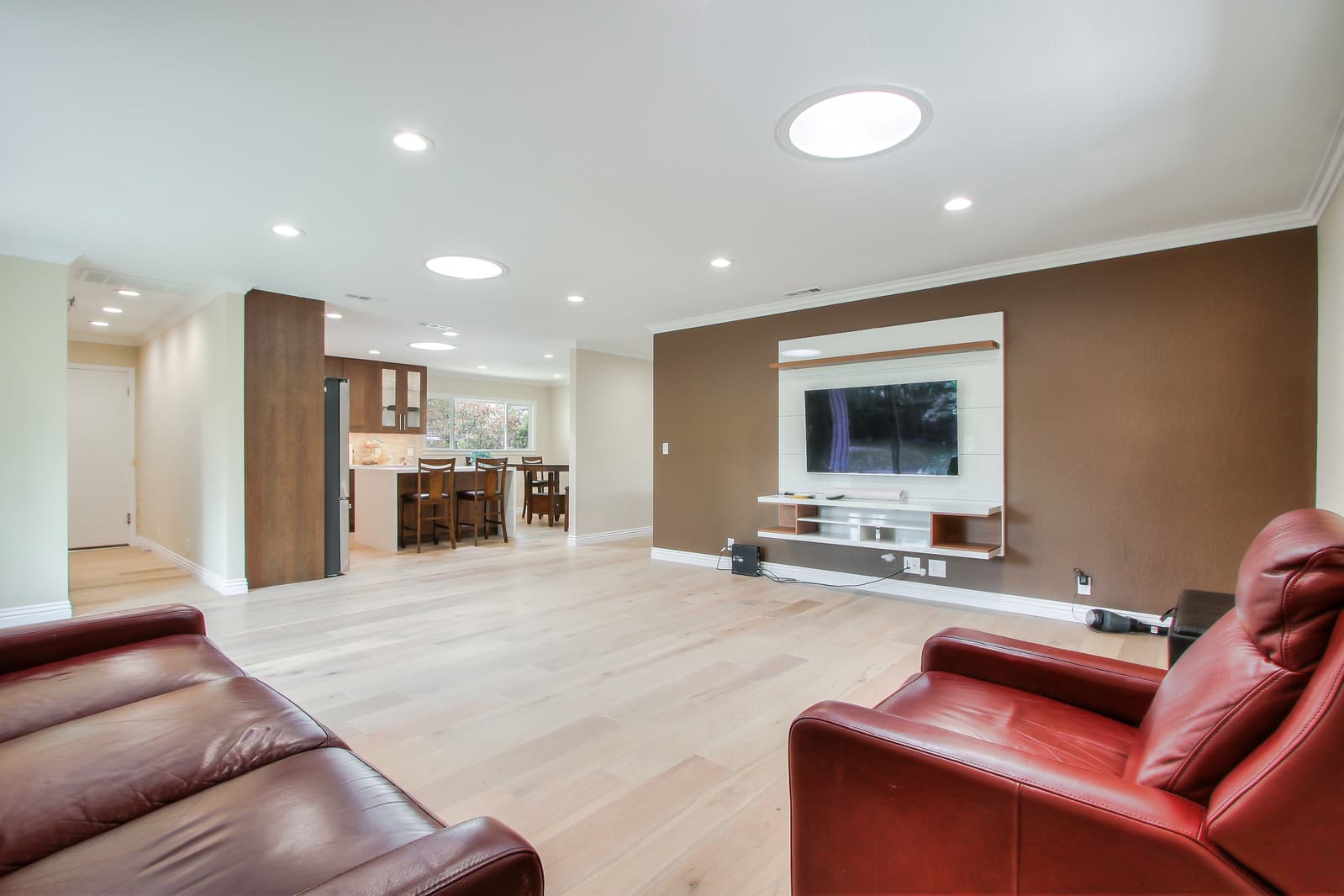
Kirkland Home Remodeling
Construction Guide
Current costs, permits, timelines, and local insights for kitchen, bathroom, basement, garage, and whole-home remodeling projects in Kirkland.
Local Market
Why Kirkland Homeowners Remodel Instead of Moving
Kirkland's median owner-occupied home value stands at $1,115,400 (ACS 2020–2024), and 60.8% of housing units are owner-occupied. With strong appreciation and limited inventory on the Eastside, many homeowners choose to upgrade rather than compete in one of the region's most expensive markets. Strategic remodels improve daily livability and build equity in the home they already own.
The housing stock reinforces this trend. Kirkland's median construction year is 1983, meaning a large share of single-family homes are 40+ years old. Mid-century ramblers, split-levels, and Craftsman-influenced bungalows dominate established neighborhoods like Houghton, Juanita, and Bridle Trails. These homes were built with different electrical, plumbing, and insulation standards — creating sustained demand for kitchen and bath updates, basement finishing, garage conversions, and full-system modernizations.
Kirkland's Pacific Northwest climate — 37+ inches of annual rain — adds further complexity. Moisture intrusion, wood rot, and inadequate ventilation are common in older homes. Mandatory 2021 Washington State Energy Code compliance, seismic considerations, and local zoning rules (including strict parking requirements for garage conversions) make working with experienced local contractors essential.
What to Expect
Common Kirkland Home Types & Construction Realities
Understanding your home's style, age, and site conditions is the first step in planning an effective remodel.
Mid-Century Ramblers & Split-Levels
The most common styles in Kirkland, built from the 1960s through the 1980s. These homes feature single-story or split-level layouts with aging systems that benefit from open-concept kitchen conversions, energy upgrades, and bathroom modernization.
Craftsman & Northwest Contemporary
Craftsman-influenced bungalows in older neighborhoods and newer Northwest Contemporary designs in areas like Moss Bay. Character-rich homes that often need comprehensive plumbing, electrical, and insulation updates to meet current standards.
Aging Suburban Stock
With a median build year of 1983 and only ~2.4% of homes built since 2020, the vast majority of Kirkland’s single-family homes are prime candidates for basement finishing, garage conversions, and full-system upgrades.
Outdated Plumbing & Electrical
Pre-1980s homes commonly have aging wiring and plumbing that predates modern seismic codes. These systems often require replacement during any major remodel to meet current building standards and ensure safety.
Moisture & Drainage
37+ inches of annual rainfall drives demand for durable siding, proper drainage, energy-efficient windows, and moisture-resistant materials. Wood rot and mold are persistent concerns in older homes with inadequate ventilation.
Energy & Seismic Requirements
The 2021 Washington State Energy Code applies to most permitted remodels, requiring insulation, window, and HVAC upgrades for heated-space conversions. Seismic retrofits may apply during major structural work on older homes.
2025–2026 Estimates
Remodeling Cost Benchmarks in Kirkland
Kirkland remodeling costs align closely with the Seattle metro due to shared Eastside labor rates, material costs, and regulatory requirements. High property values make strategic remodels financially attractive.
| Service | Low Range | Midrange | High End |
|---|---|---|---|
| Kitchen Remodeling | $30,000–$50,000 | $50,000–$95,000 | $100,000–$188,000+ |
| Bathroom Remodeling | $15,000–$25,000 | $25,000–$36,000 | $50,000–$107,000+ |
| Basement Finishing | $105,000–$150,000 | $175,000–$275,000 | $300,000–$400,000+ |
| Garage Conversion | $40,000–$60,000 | $60,000–$90,000 | $100,000+ |
| Complete Home Remodel | $150–$300/sq ft | $300–$450/sq ft | $450–$550+/sq ft |
Figures are 2025–2026 informed estimates based on local Eastside contractor data and Seattle-metro benchmarks (2025 Cost vs. Value Report). Actual costs vary by scope, home age, and site conditions.
Regulations
Permits & Planning for Kirkland Remodels
Most residential remodeling projects in Kirkland require permits if they involve constructing, enlarging, altering, or repairing a building — or any electrical, mechanical, or plumbing work. Kitchen and bathroom remodels with plumbing or electrical changes, basement finishing with egress and insulation requirements, garage conversions, and additions all typically require a residential building permit.
Minor cosmetic work (paint, non-structural flooring) may not require a permit. However, basement finishing and garage conversions almost always trigger permits due to conditioning of space, change of use, egress requirements, and energy code compliance.
The Development Services Center (Planning and Building Department) handles all permits and building review. Applications are submitted online via MyBuildingPermit.com, with in-person options at City Hall (123 5th Ave). The process includes site plans, floor plans, structural details, and energy compliance. Inspections occur at key stages: framing, insulation, and final sign-off.
Garage conversions in Kirkland require replacing lost parking stalls — most single-family zones mandate at least 2 off-street spaces. Shoreline or steep-slope overlays may apply in some neighborhoods. The 2021 Washington State Energy Code applies to heated-space conversions, requiring insulation, window, ventilation, and HVAC compliance. Always verify parking and zoning requirements with a city planner early in the process.
We Handle Permits for You
Giant Builders manages the full Kirkland permit process — applications, plan reviews, and inspections — as part of every project. You don't need to navigate City Hall on your own.
What We Do
Remodeling Services in Kirkland
From single-room updates to whole-home renovations, every project is tailored to Kirkland's building codes, climate conditions, and housing stock.
Kitchen Remodeling in Kirkland
Kirkland’s 1970s–1980s kitchens were designed for a different era. Open-concept conversions, modern layouts, custom cabinetry, and energy-efficient upgrades transform how these homes function — while adapting them to how Eastside families live today. Minor kitchen remodels in the Seattle metro recoup 118.1% of their cost, making this one of the strongest-ROI projects available.
Learn About Kitchen RemodelingBathroom Remodeling in Kirkland
Pacific Northwest moisture management, outdated plumbing replacement, and universal-design features like walk-in showers and grab-bar-ready walls are top priorities in Kirkland bathrooms. With 37+ inches of annual rain, proper waterproofing, ventilation, and moisture-resistant materials are essential in every bathroom project.
Learn About Bathroom RemodelingBasement Finishing in Kirkland
Many Kirkland homes have below-grade spaces that can become home offices, guest suites, or entertainment areas. Moisture management is especially important given Pacific Northwest rainfall, and egress windows, energy-code-compliant insulation, and seismic considerations are critical steps in Kirkland basement projects.
Learn About Basement FinishingGarage Conversion in Kirkland
With high property values and limited lot sizes, converting a garage into livable space is a practical way to add square footage without new construction. Kirkland’s strict parking rules require replacing lost stalls (minimum 2 off-street), and energy code compliance for heated-space conversion adds project complexity that benefits from experienced planning.
Discuss Your Garage ProjectComplete Home Remodeling in Kirkland
For homes that need modernization across every system — electrical, plumbing, insulation, and finishes — a phased or full-scope renovation addresses the deferred maintenance common in Kirkland’s 1970s–1980s housing stock. Washington Energy Code and seismic requirements make whole-home planning especially important for older Eastside homes.
Plan Your Whole-Home Remodel2025–2026 Trends
What Kirkland Homeowners Are Prioritizing
Energy Efficiency & Sustainability
Passive House elements, high-performance insulation, smart tech, and efficient windows — driven by the 2021 WSEC requirements and rising utility costs. Energy upgrades are required for most heated-space conversions in Kirkland.
Kitchen & Bathroom Upgrades
Minor kitchen remodels show the strongest ROI (118.1% in the Seattle metro), and spa-style bathrooms remain in high demand. In Kirkland’s $1.1M+ market, these updates enhance both livability and resale competitiveness.
Flexible Spaces & Home Offices
Basement finishing and garage conversions for added square footage — driven by remote work, multigenerational living needs, and the practical difficulty of expanding on Kirkland’s modest suburban lots.
Aging in Place & Universal Design
Grab bars, wider doors, walk-in showers, and accessible layouts. Kirkland’s median age is ~38 but the senior population is growing, and homeowners increasingly plan for long-term accessibility when remodeling bathrooms and entryways.
Indoor-Outdoor Living
Covered patios, large windows, and transitional spaces — especially popular in lake-adjacent neighborhoods near Lake Washington. Despite the rain, extending usable living area is a defining PNW design priority.
Return on Investment
What Pays Off in Kirkland's Market
The 2025 Cost vs. Value Report (Seattle market) shows that minor kitchen remodels recoup 118.1% of their cost and garage door replacements lead at 123.3% ROI. Major kitchen and bathroom projects recoup 38–53% but still add significant livability value in Kirkland's premium market.
With median home values above $1.1 million, strategic midrange kitchen, bathroom, and energy-efficiency upgrades help properties stand out without over-improving. Exterior upgrades (siding, doors) and energy-efficient features perform especially well for resale in the wet Puget Sound climate.
Midrange projects tend to deliver stronger returns than high-end custom work. The key is matching improvements to the neighborhood — premium finishes in competitive neighborhoods like downtown Kirkland and Moss Bay, and value-driven projects in areas where cost-per-square-foot matters more. Pre-listing kitchen or bath updates can help homes sell faster in Kirkland's competitive market.
Kirkland Remodeling FAQ
Common questions from Kirkland homeowners planning remodeling projects.
How much does a kitchen remodel cost in Kirkland, WA?
Do I need a permit for a bathroom remodel in Kirkland?
How long does a full home remodel take in Kirkland?
What are common problems in older Kirkland homes?
Does a garage conversion add value in Kirkland?
What is the ROI of a kitchen remodel in Kirkland?
What home styles are most common in Kirkland?
Should I remodel or move in Kirkland’s housing market?
How do I apply for a remodeling permit in Kirkland?
Are energy-efficient upgrades required in Kirkland remodels?
How much does basement finishing cost in Kirkland?
Do garage conversions require parking replacement in Kirkland?
Start Your Kirkland Remodeling Project
Tell us about your home and goals. We'll provide a free consultation and detailed estimate — no obligation.
Free estimate · No obligation · Response within 24 hours
Prefer to talk? Call us directly:
(425) 757-7872